

Self tapping screws are a type of screw with self-forming threads, which means they can tap their own holes without the need for pre-drilling. Unlike regular screws, self tapping screws can penetrate materials without the use of nuts, making them ideal for various applications. In this article, we will focus on two types of self tapping screws: A-thread and B-thread, and explain how to differentiate between them.
A-thread: A-thread self tapping screws are designed with a pointed tail and larger thread spacing. These stainless steel screws are commonly used for drilling or nesting holes in thin metal plates, resin impregnated plywood, and material combinations. The unique thread pattern provides excellent grip and stability when securing materials together.
B-thread: B-thread self tapping screws have a flat tail and smaller thread spacing. These stainless steel screws are suitable for lightweight or heavy-duty sheet metal, colored casting plastic, resin impregnated plywood, material combinations, and other materials. The smaller thread spacing allows for a tighter grip and prevents slippage in softer materials.
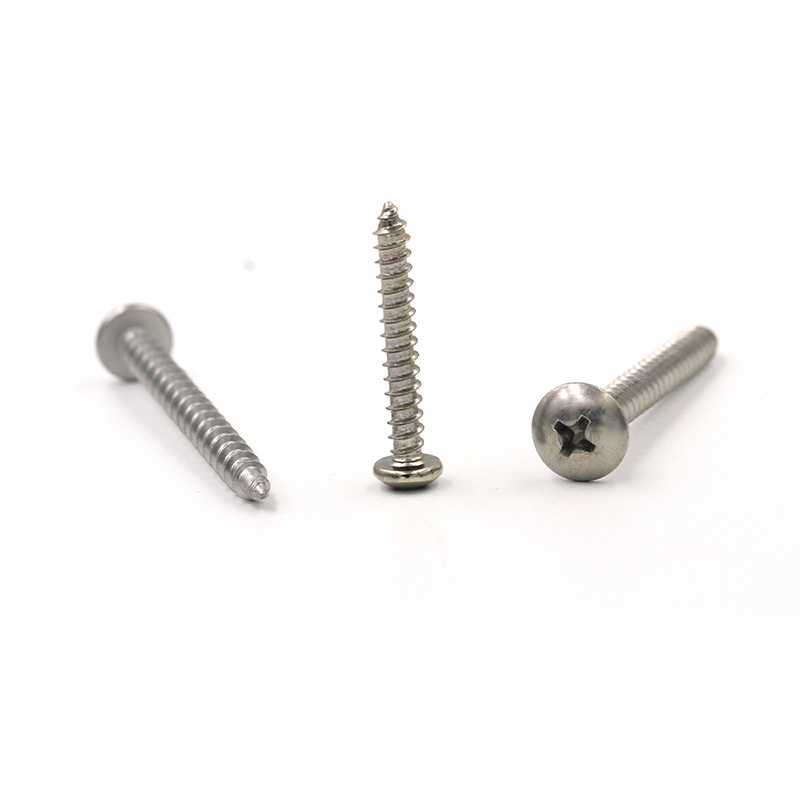
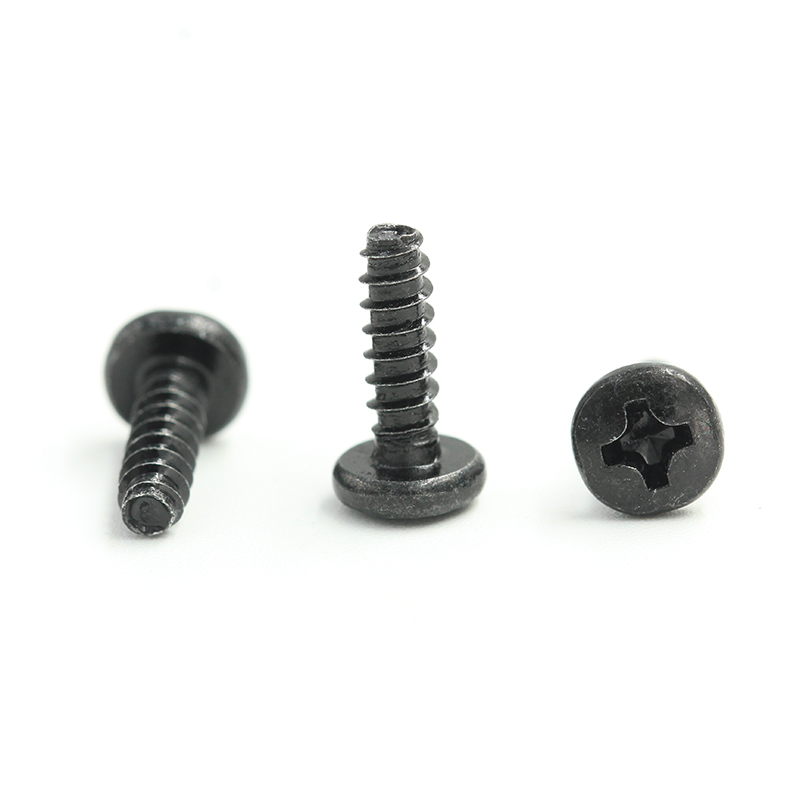
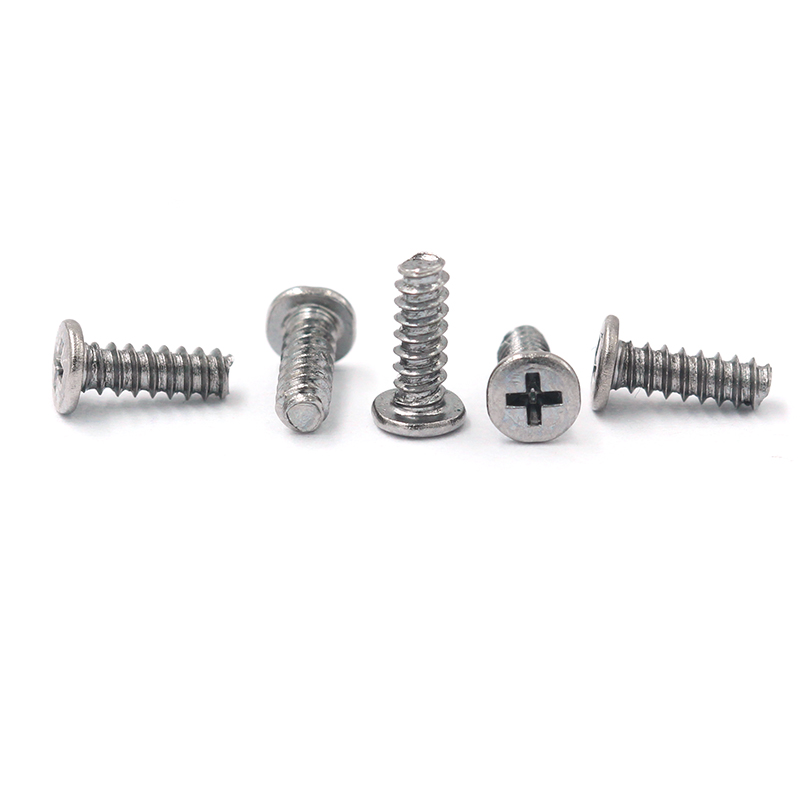
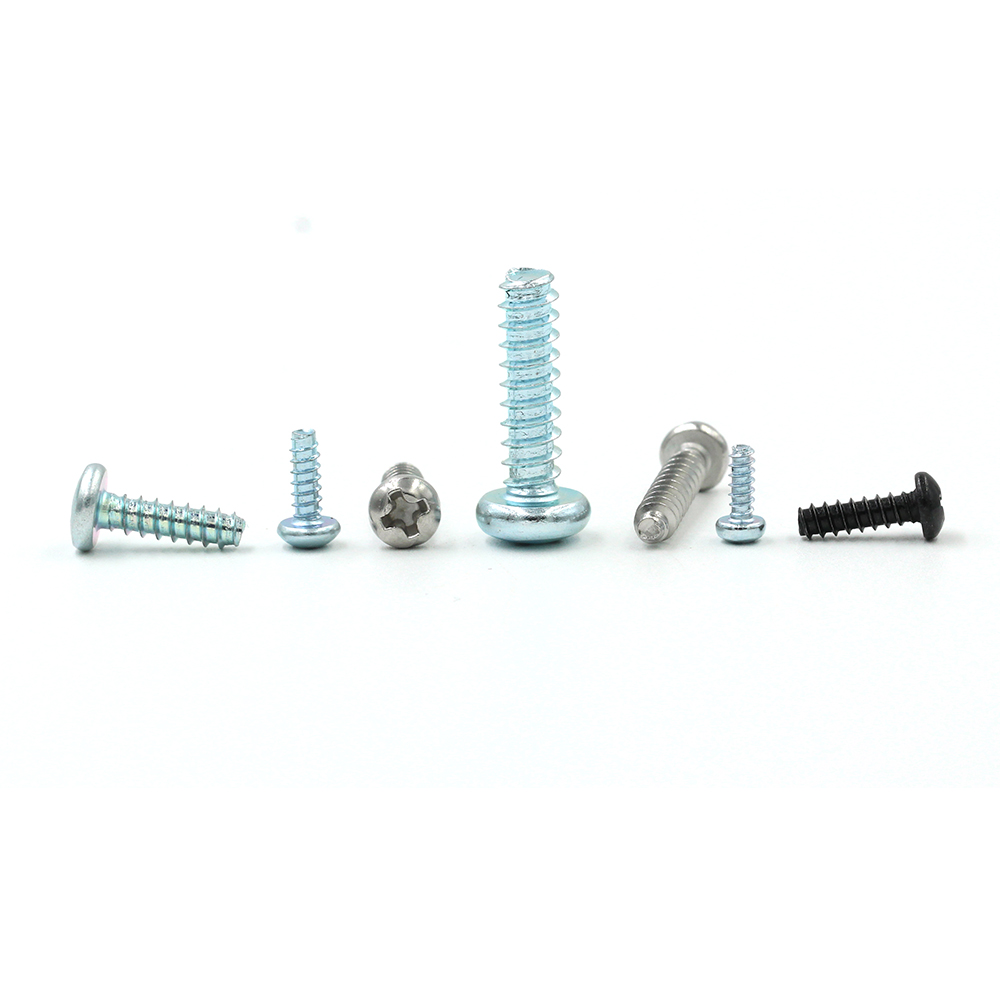
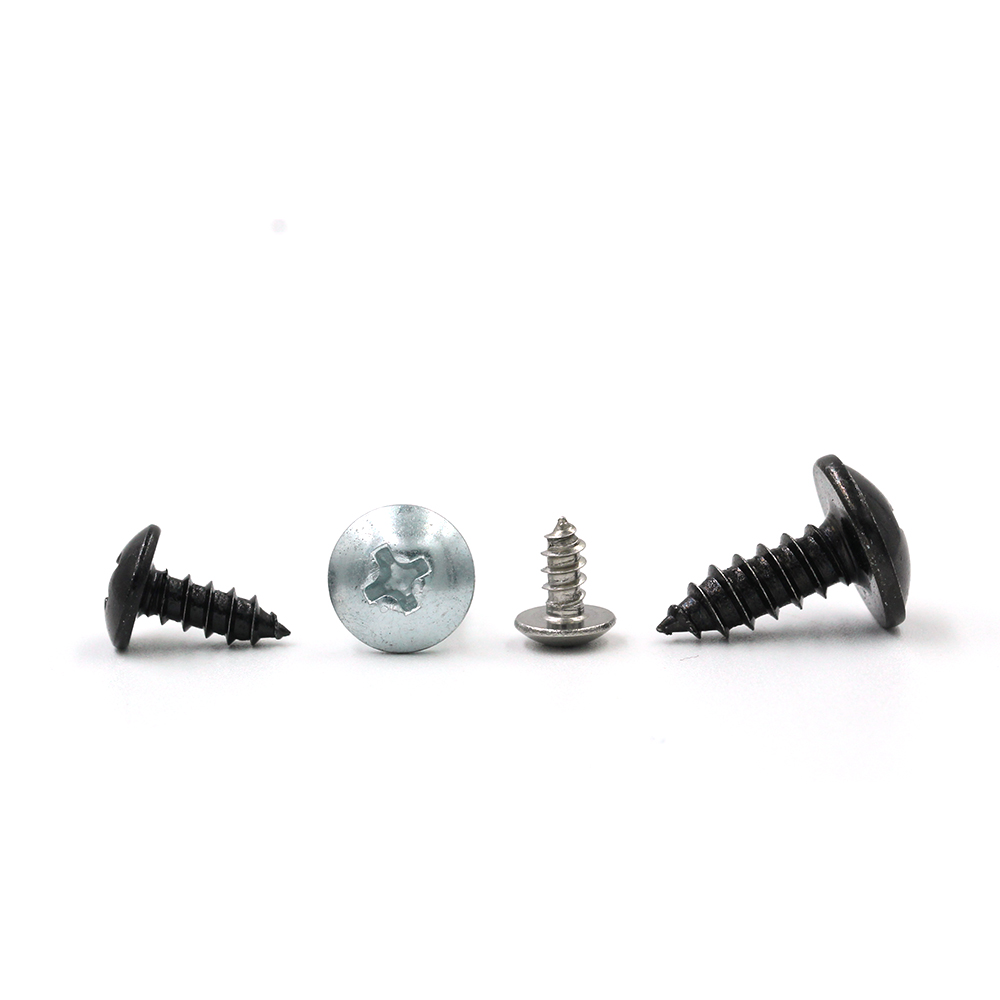
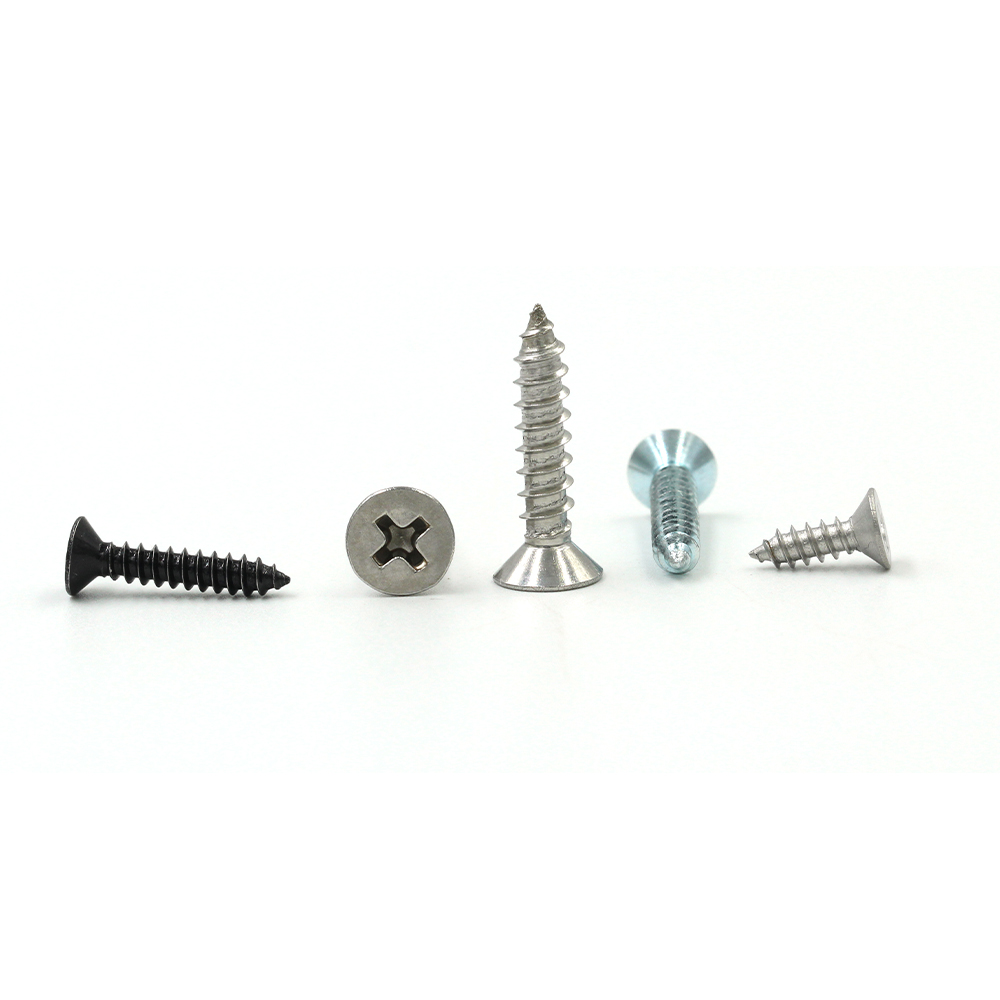
How to Distinguish A-Thread and B-Thread Self-Tapping Screws:Telling apart A-thread and B-thread self-tapping screws boils down to three practical aspects that anyone can spot and apply:
First, look at the thread pattern. A-thread self-tapping screws have wider thread spacing, while B-thread self-tapping screws are made with narrower spacing between threads. This is the quickest visual way to tell the two apart.
Second, check the tail shape. A-thread self-tapping screws come with a sharp, pointed tail, whereas B-thread self-tapping screws have a flat tail. This structural difference is another key identifier for these two screw types.
Third, consider their intended uses. A-thread self-tapping screws are typically used for thin metal plates and resin-impregnated plywood. On the other hand, B-thread self-tapping screws work better with sheet metal, plastic and other heavier-duty materials. Knowing these application scenarios helps pick the right self-tapping screw for the job at hand.
Post time: Dec-14-2023





