banner (1)

m2.5 self tapping screws - High-Quality Supplier for Fasteners

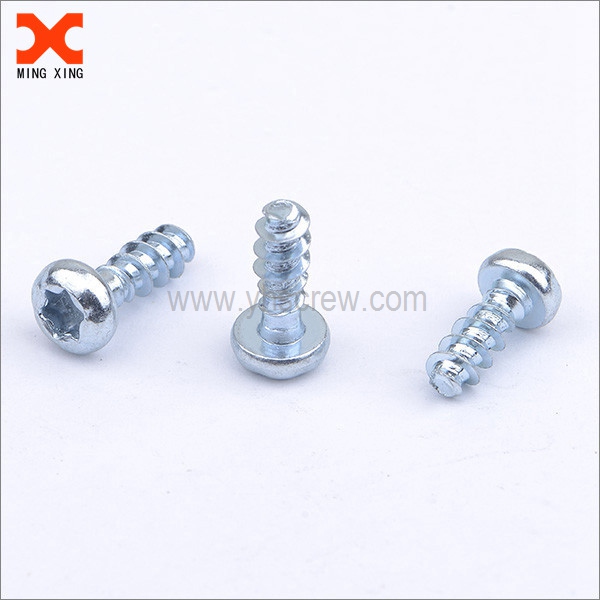
I’m your trusted Supplier for m2.5 self tapping screws, crafted to deliver consistent torque, clean threads, and strong pullout resistance in metal and PC assemblies. Our range is built for High-Quality performance, with stainless steel and zinc-plated options to suit corrosion-prone environments. I offer standard bulk packaging and customizable counts to fit your production lines, with rapid quotes and dependable lead times. As a dedicated Supplier, I can provide datasheets, recommended tapping drill sizes, and installation notes to reduce assembly time and scrap. You’ll appreciate the consistent thread quality, sharp points, and hex/Phillips drive options that minimize drive slip. Whether you’re designing electronics housings, appliance panels, or automotive assemblies, these fasteners meet industrial standards and OEM specs. Contact me today, and I’ll tailor a package that matches your demand for quality, supply reliability, and cost efficiency.

Hot Selling Product

m2.5 self tapping screws Delivers Unmatched Quality Manufacturers You Can Rely On

Global buyers seek reliable, high-precision M2.5 self‑tapping screws. A Dongguan‑based manufacturer can deliver unmatched quality through tight process controls and material expertise. From material selection and heat treatment to durable finishes such as zinc plating or corrosion‑resistant coatings, each batch should offer traceability, tight tolerances, and verified torque performance. With a focus on consistency and continual improvement, such a partner turns sourcing into a strategic advantage. Choose a supplier with scalable capacity and transparent QA to reduce international procurement risk. Whether you need prototypes or high‑volume runs, predictable lead times, flexible packaging, and clear compliance docs matter. If customization is required—head styles, lengths, or coatings—a capable manufacturer can adapt with minimal risk. For lasting partnerships, seek rigorous audits, material certifications, and proactive communication that keep you informed wherever you source.

{ m2.5 self tapping screws Delivers Unmatched Quality Manufacturers You Can Rely On}

Product Code Diameter (mm) Length (mm) Head Type Drive Type Material Coating Standard Tensile Strength (MPa) Applications
M2.5-SS-A2-06 2.5 6 Pan head Phillips Stainless steel A2-70 Zinc plated DIN 7504 520 Electronics enclosures
M2.5-SS-A2-08 2.5 8 Pan head Torx T15 Stainless steel A2-70 Zinc plated DIN 7504 520 Automotive interior trim
M2.5-SS-A2-10 2.5 10 Pan head Phillips Stainless steel A2-70 Zinc plated DIN 7504 530 Plastic housing components
M2.5-SS-A2-12 2.5 12 Pan head Phillips Stainless steel A2-70 Zinc plated DIN 7504 540 Appliance housings
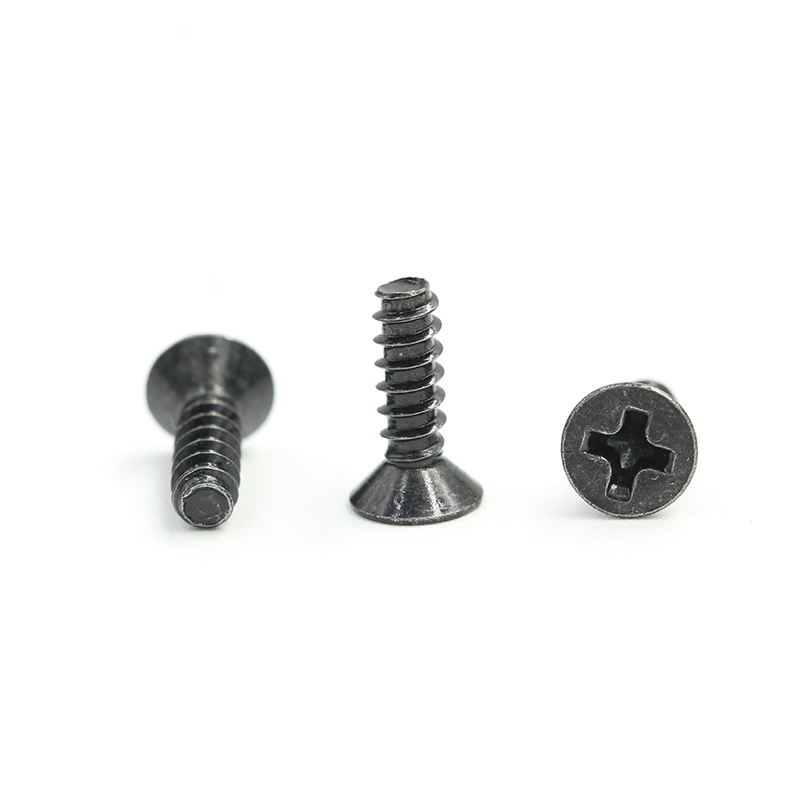
M2.5-SS-A4-06 2.5 6 Countersunk Slotted Stainless steel A4-70 Passivated DIN 7504 700 Marine hardware
M2.5-SS-A4-08 2.5 8 Pan head Torx T15 Stainless steel A4-70 Passivated DIN 7504 700 Marine equipment
M2.5-SS-A4-10 2.5 10 Pan head Phillips Stainless steel A4-70 Passivated DIN 7504 710 Doors and windows hardware
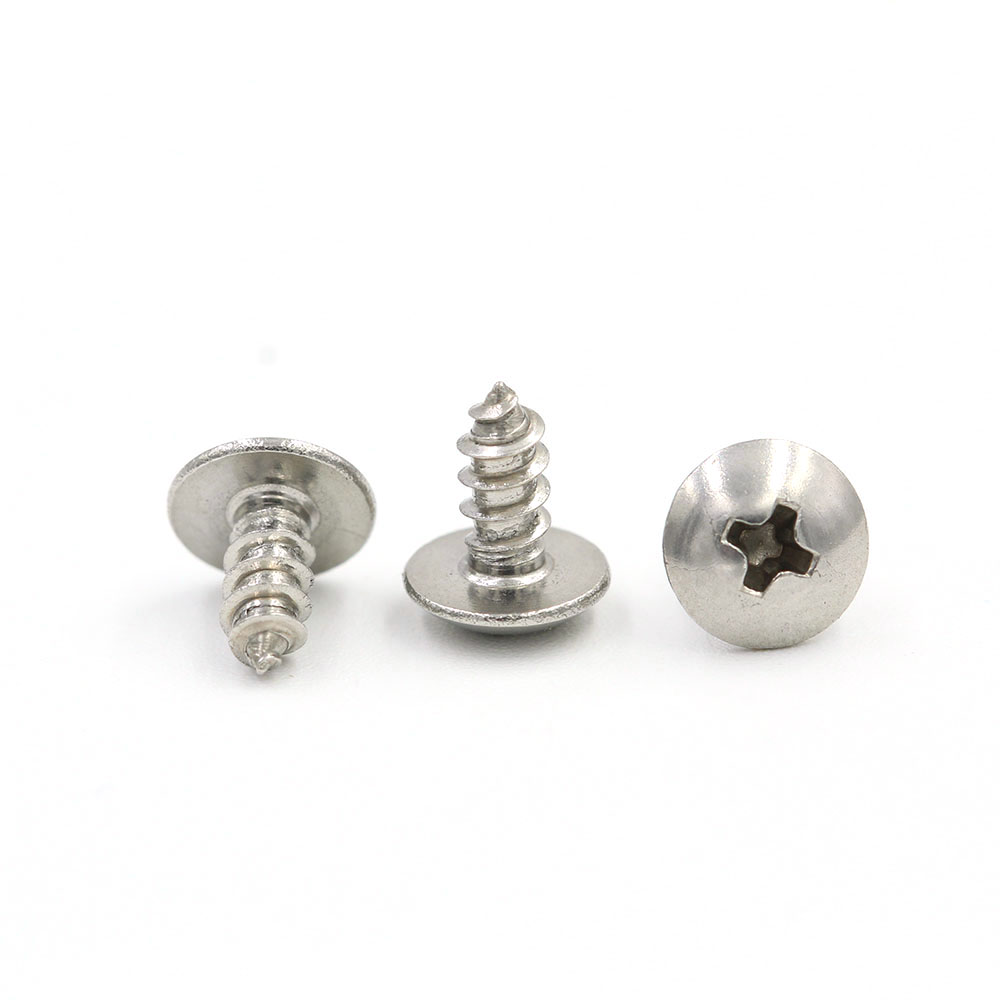
M2.5-SS-A4-12 2.5 12 Truss head Phillips Stainless steel A4-70 Passivated DIN 7504 720 Electrical enclosures

Related Products

banner (3)

m2.5 self tapping screws Your End-to-End Solution More Than a Supplier - A Partner

Data Dimension: Quality and Delivery Metrics Across Process Phases

This visualization presents a data dimension focusing on quality and delivery metrics across key process phases for m2.5 self tapping screws manufacturing and supplier collaboration. The left axis shows On-time Delivery Rate as a percentage, reflecting schedule adherence and responsiveness to demand. The right axis shows Defect Rate in parts per million (ppm), representing process stability and yield efficiency. Each phase corresponds to a stage from initial raw-material entry through final inspection, enabling visibility into how early‑stage decisions propagate downstream results. By analyzing five consecutive phases, stakeholders can identify bottlenecks, evaluate the effectiveness of process controls, and calibrate supplier engagement strategies. The data suggests that delivery performance remains relatively robust in Phase 1 and Phase 3, with a peak in Phase 3; however, there is a noticeable dip in delivery in Phase 2, likely due to supply chain variability or changeovers. Conversely, defects show a different pattern: Phase 2 and Phase 4 exhibit higher ppm values, potentially indicating transition periods where suppliers adjust to tolerance requirements or where new tooling is introduced. The dual-axis chart makes it possible to monitor both metrics simultaneously without sacrificing readability, and to observe potential correlations between delivery delays and defect spikes. For example, when Defect Rate rises, late shipments in the same phase may reflect rework or expedited orders. The insights can guide a data‑driven improvement program: align supplier capacity during high‑demand phases, tighten incoming inspection for critical sizes, and implement process stabilization steps during phase transitions. Over time, with more data across additional batches and product families, the chart could incorporate control limits, trend lines, and forecasted targets to support proactive decision‑making. This end‑to‑end analytics approach helps transform supplier relationships into strategic partnerships, delivering reliable components and consistent quality at scale.

Top Selling Products