banner (1)

m2 12mm torx countersunk screw - China Manufacturer

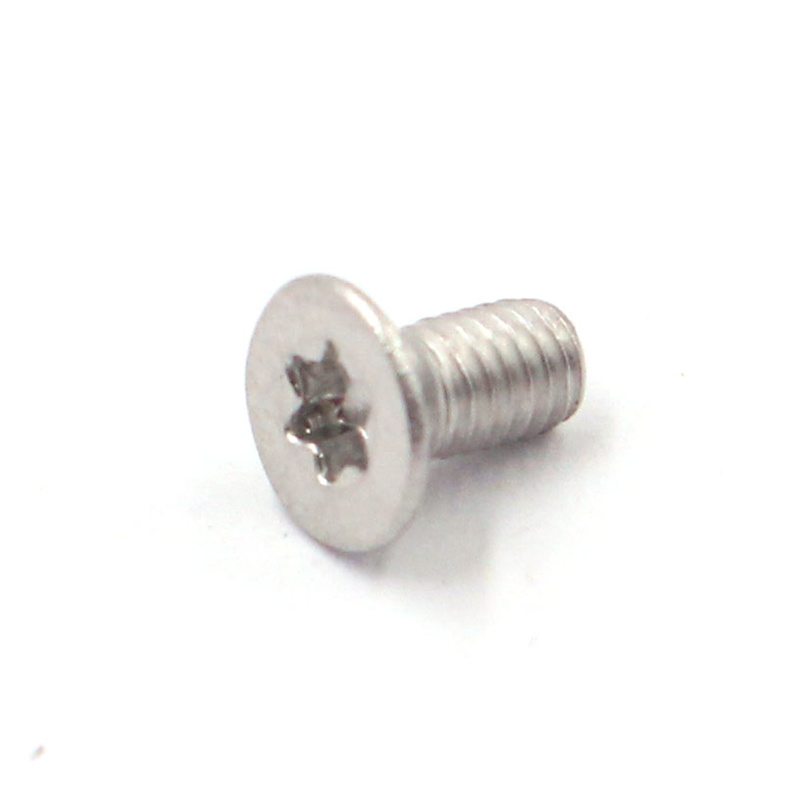
I'm a China-based manufacturer of precision fasteners, and I know B2B buyers want reliability, consistency, and cost-efficiency. The m2 12mm torx countersunk screw I offer is engineered for strength and flush mounting in electronics, machinery, and consumer devices. With a Torx drive, it resists cam-out and reduces tool wear, while the countersunk head sits flush for a clean surface. Available in corrosion-resistant stainless steel or durable carbon alloy, heat-treated for hardness. The M2 thread size fits standard micro-assemblies; 12mm length suits most chassis and panels. I provide tight tolerances, finishes (plain, zinc, black oxide), and fast shipping to meet tight schedules. As a China-based Manufacturer, I can tailor finishes, packaging, and labeling to your spec. MOQ-friendly for large-scale procurement, with QA checks at every batch. Let's discuss your quantity, lead time, and inspection needs for the m2 12mm torx countersunk screw.

Hot Selling Product

m2 12mm torx countersunk screw Is The Best For the Current Year

M2 x 12mm Torx countersunk screws have emerged as a top choice for compact electronics this year. The Torx drive provides higher torque transfer with less cam-out than cross-head screws, while the flush countersunk head keeps enclosures slim and PCBs neat. At 2 mm diameter and 12 mm length, they offer solid bite with a low profile, and come in materials and coatings such as stainless steel, alloy steel, and protective platings to suit corrosion resistance and heat. They are widely used in smartphones, wearables, drones, and automotive electronics where reliability and aesthetics matter. For global procurement, verify material, coating, and tolerance against your BOM; confirm Torx size and head type; and check substrate compatibility. Request batch testing, finish specs, and corrosion or torque-test reports. Consider lead times, minimums, and scalable packaging to support volume. A capable supplier will provide samples, consistent QA, and traceability, helping you secure steady supply and predictable costs.

{ m2 12mm torx countersunk screw Is The Best For the Current Year}

Spec Diameter (mm) Pitch (mm) Length (mm) Head Type Drive Material Finish Typical Applications Notes
M2 x 12 (Countersunk Torx) 2.0 0.40 12 Countersunk Torx (TX) Stainless Steel 304 (A2-70) Bright Zinc Plated Electronics enclosures, small device assemblies General purpose
M2 x 12 (Countersunk Torx) 2.0 0.40 12 Countersunk Torx (TX) Stainless Steel 316 (A4-80) Passivated Marine equipment, outdoor electronics Corrosion resistant
M2 x 12 (Countersunk Torx) 2.0 0.40 12 Countersunk Torx (TX) Carbon Steel Alloy Zinc Plated General machinery, interior fittings For non-critical loads
M2 x 12 (Countersunk Torx) 2.0 0.40 12 Countersunk Torx (TX) Stainless Steel 304 (A2-70) Black Oxide with Passivation Electronics fixtures in humid environments Dark finish for camouflage
M2 x 12 (Countersunk Torx) 2.0 0.40 12 Countersunk Torx (TX) Stainless Steel 316 (A4-80) Bright Zinc Plated Medical device enclosures, lab equipment High corrosion resistance

Related Products

banner (4)

m2 12mm torx countersunk screw Pioneers in the Field Sets the Industry Standard

Global Adoption and Standardization Trajectory of 12mm Torx Countersunk Screws Across Industries (2015-2024)

Global Adoption and Standardization Trajectory of 12mm Torx Countersunk Screws Across Industries (2015-2024) presents a synthetic view of how a specific fastener standard has penetrated field applications across major sectors. The Automotive sector leads the adoption curve, rising from about 20% in 2015 to roughly 85% by 2024, reflecting the emphasis on vibration resistance and secure torque in modern vehicle assemblies. Electronics follows closely, increasing from around 15% to the upper 70s, driven by the need for compact, reliable fastenings in dense layouts and standardized interfaces. Construction shows a slower yet steady ascent, moving from around 10% to near 60%, consistent with gradual modernization and the push toward standardized components in civil works. Machinery tracks a parallel path, starting around 12% and reaching the low 70s by 2024, underscoring broad use in heavy equipment and automation upgrades. The four curves converge in later years as global design libraries and supply chains standardize parts across industries, enabling cross-sector interoperability and easier maintenance. It is important to note that the metric used here—adoption rate as a share of assemblies that could plausibly use a 12mm Torx countersunk screw—serves as a proxy for standardization rather than a direct count of units. Several drivers influence the trajectory: intensified emphasis on torque reliability and vibration resistance; design-for-manufacturing practices that favor standardized components; tool availability and torque calibration accuracy; and the globalization of supplier ecosystems that harmonize part libraries. The notable acceleration around 2019–2020 aligns with broader digitization of design data and rapid deployment of common fastener standards. While insightful, the chart omits material compatibility and lifecycle considerations across applications. Overall, the trend indicates a clear industry shift toward standardized fastening solutions, reducing assembly time, minimizing errors, and enabling scalable production across diverse sectors.

Top Selling Products