

M.2 standoff spacer - China Manufacturer for PCIe Drive Spacing
From our factory in China, I supply high-quality M.2 standoff spacer solutions to OEMs and distributors worldwide. As a China-based Manufacturer, I know you need reliable mounting, tight tolerances, and cost efficiency. The M.2 standoff spacer I offer is precision-machined, corrosion-resistant, and compatible with standard M.2 2242/2260/2280 boards, with multiple heights and thread options to suit your chassis. I can customize materials (aluminum, brass, stainless steel) and finishes (black anodized, passivation) to fit your product line. We provide small MOQs, rapid lead times, and direct technical support. Each lot is inspected before shipment to ensure consistent performance under vibration and thermal cycling. Whether you’re building enterprise servers, edge devices, or gaming systems, these spacers secure boards, reduce flex, and improve EMI control. Partner with me for a dependable China Manufacturer you can trust.
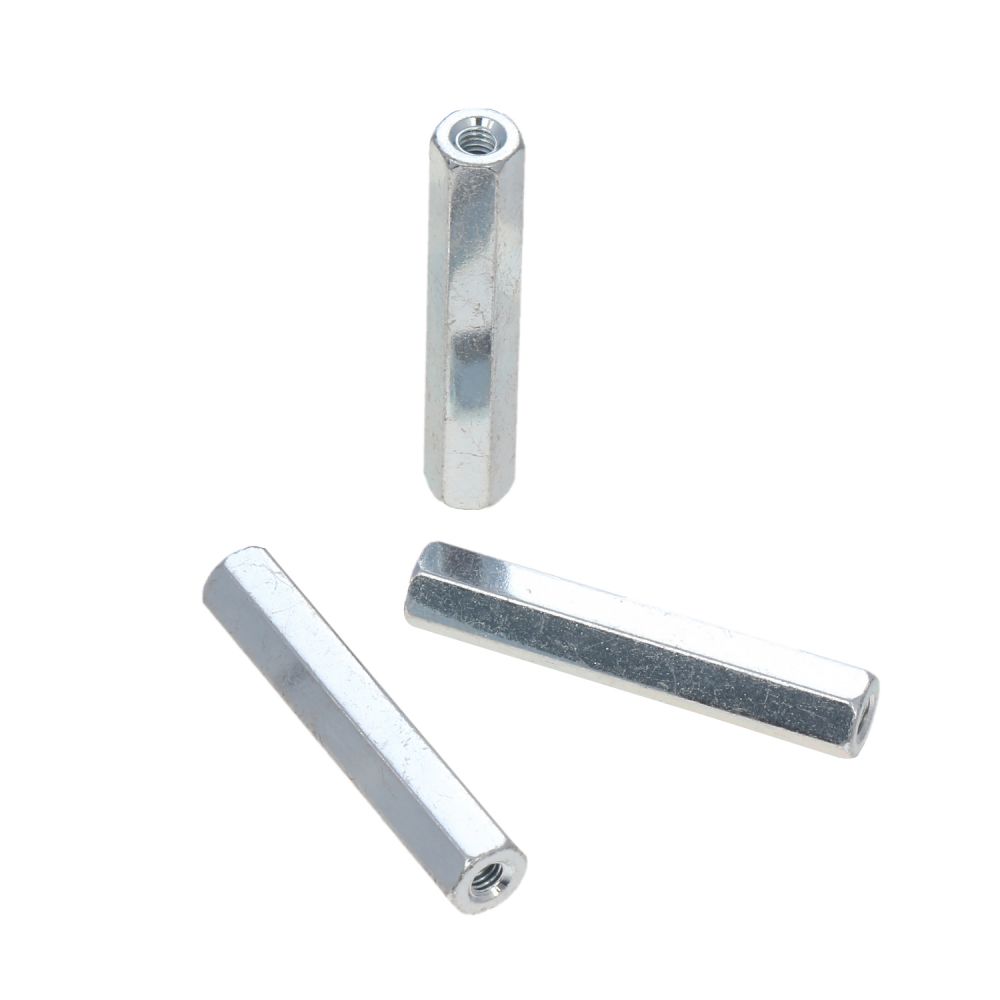


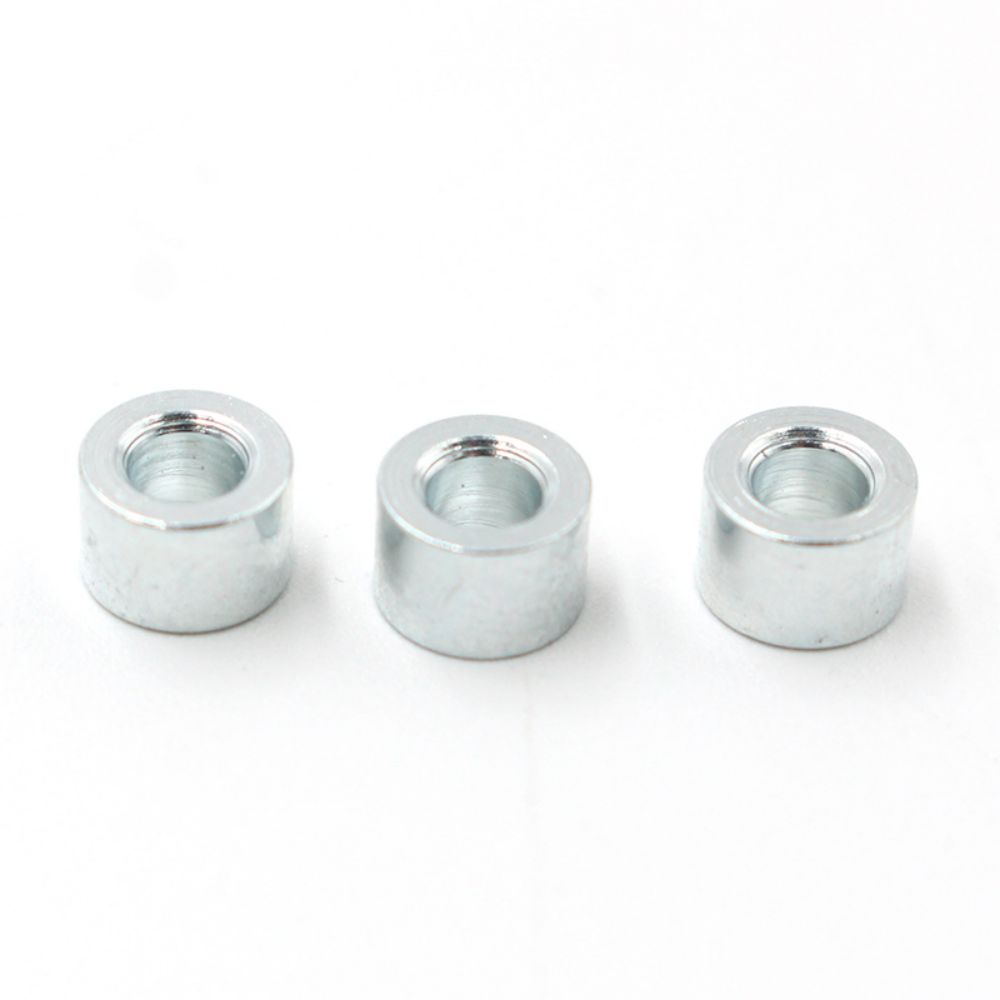
M.2 standoff spacer Manufacturer Custom Solutions,
Global buyers seeking M.2 standoff spacers need a partner who translates design intent into precise parts. A capable ODM offers custom M.2 spacers with M2, M2.5, and M3 threads, variable heights, top and bottom options, anti-rotation features, and screw retention. Materials include stainless steel, aluminum, and POM, with finishes such as anodized, zinc-plated, or black oxide. Prototypes and tight tolerances are provided with RoHS/REACH compliance. Beyond parts, the value is collaboration: rapid prototyping, smooth release-to-manufacturing, and scalable production with inline QC. IPC and ISO compliance ensure reliable quality. Flexible MOQs, competitive pricing, and dependable lead times help global teams stay on schedule. Share drawings or sketches to access optimized configurations and transparent pricing from a partner focused on quality and on-time worldwide delivery.
| Part Number | Material | Grade | Finish | Thread Size | Height (mm) | Outer Diameter (mm) | Inner Diameter (mm) | Type | Tolerance | Temp Range (°C) | Certifications |
|---|---|---|---|---|---|---|---|---|---|---|---|
| MSP-M2-4-6061-T6 | Aluminum 6061-T6 | 6061-T6 | Anodized Black | M2 | 4 | 4.0 | 2.0 | Through-Hole | ±0.05 | -40 to 125 | RoHS, REACH |
| MSP-M2.5-6-304SS | Stainless Steel 304 | 304 | Satin | M2.5 | 6 | 5.0 | 2.5 | Through-Hole | ±0.03 | -40 to 110 | RoHS |
| MSP-M3-6-316 | Stainless Steel 316 | 316 | Polished | M3 | 6 | 5.5 | 3.0 | Through-Hole | ±0.03 | -60 to 125 | RoHS, REACH |
| MSP-M2-5-7075-Gold | Aluminum 7075-T6 | 7075-T6 | Anodized Gold | M2 | 5 | 4.8 | 1.8 | Through-Hole | ±0.04 | -55 to 160 | RoHS |
| MSP-CuNi-5 | Copper Alloy | CuZn | Nickel Plated | M2 | 5 | 4.6 | 1.9 | Through-Hole | ±0.05 | -20 to 110 | RoHS |
| MSP-M2.5-8-6063-Silver | Aluminum 6063 | 6063 | Anodized Silver | M2.5 | 8 | 5.0 | 2.0 | Through-Hole | ±0.05 | -40 to 110 | RoHS, REACH |
| MSP-M2-3-304-Nickel | Stainless Steel 304 | 304 | Brushed Nickel | M2 | 3 | 4.4 | 1.9 | Through-Hole | ±0.02 | -40 to 120 | RoHS |
Related Products
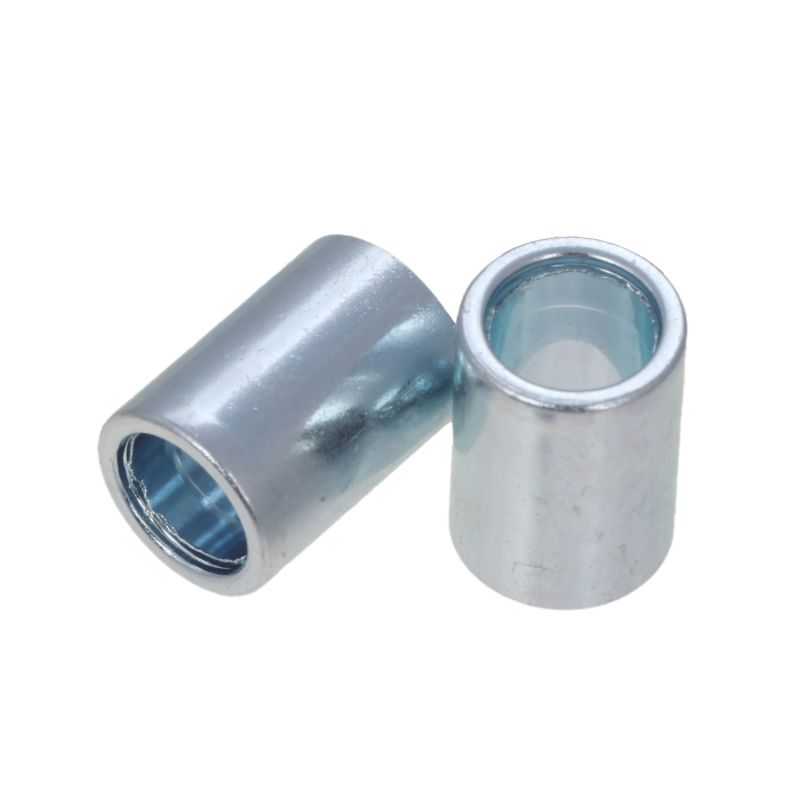


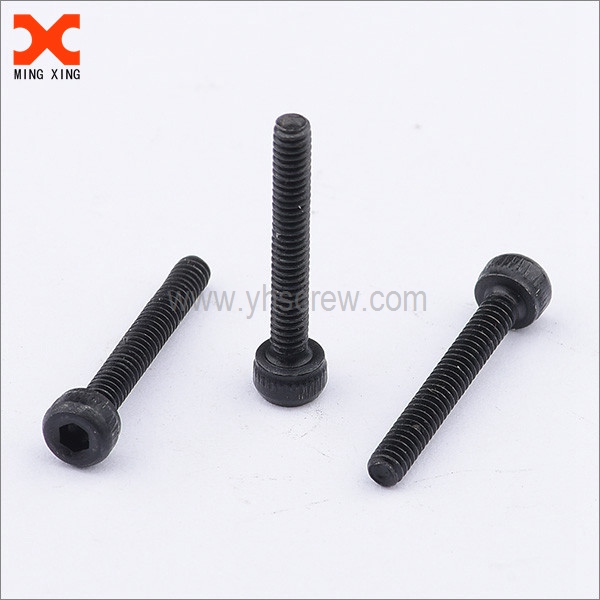
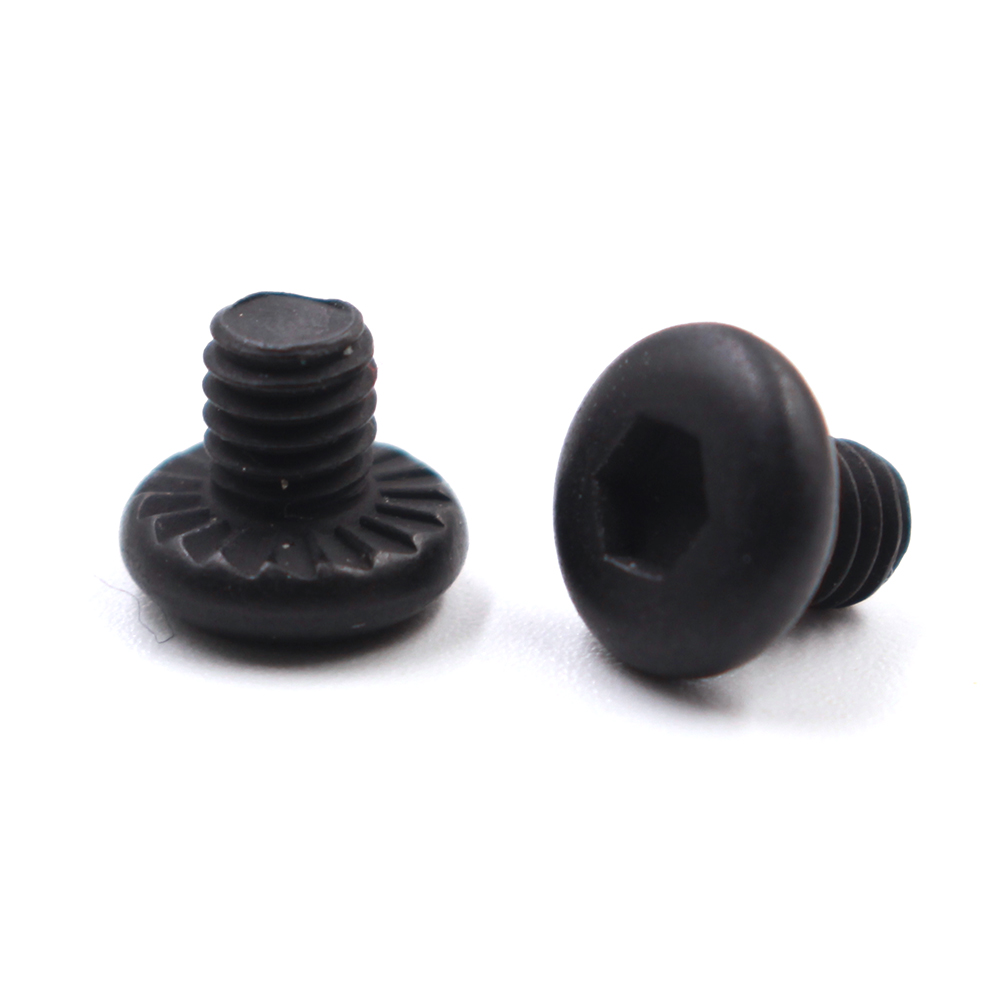


M.2 standoff spacer For the Current Year Your End-to-End Solution
Top Selling Products


- Related Blog
- Reviews
- Reviews

-

Phone
-

E-mail
-

Whatsapp
-

WeChat

-

Top


