banner (1)

Industrial Hex Key Wrench - Wholesale for Manufacturers

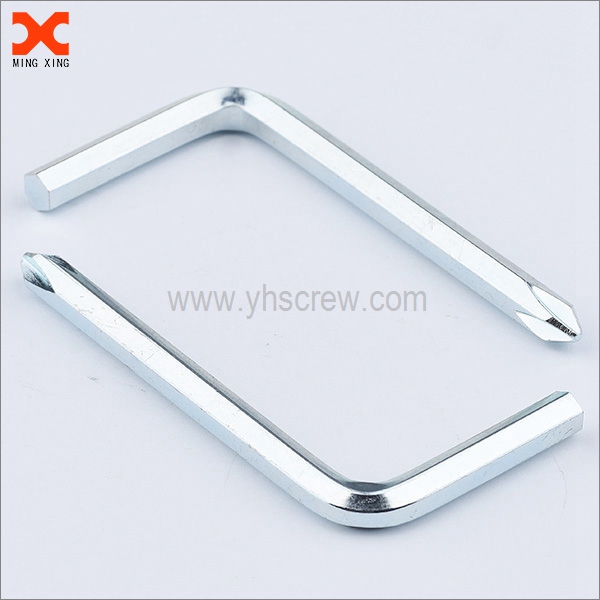
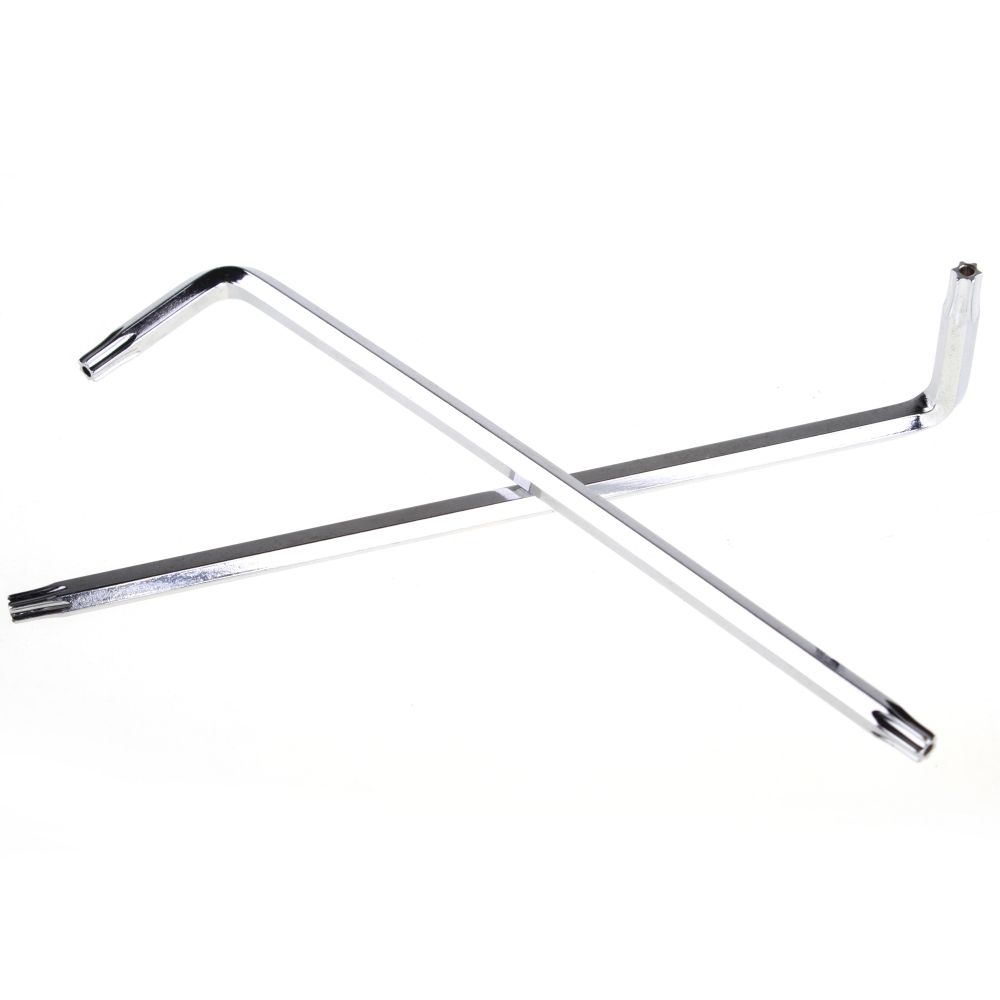
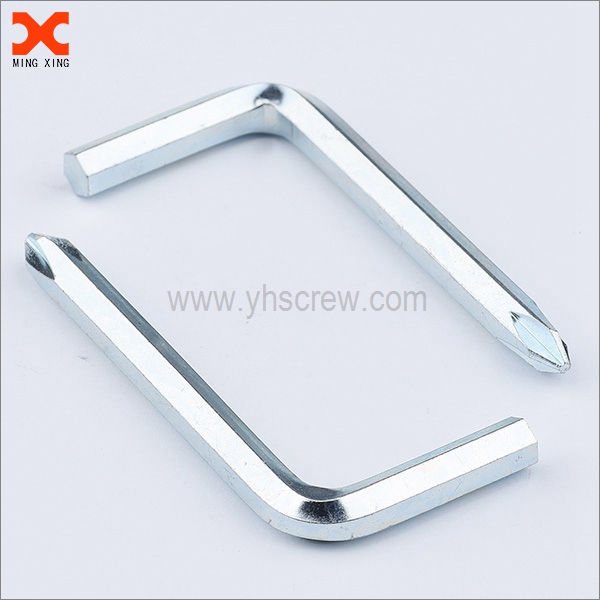
From the moment I designed this Industrial Hex Key Wrench, I knew it would hold up in demanding shops. For Wholesale buyers and Manufacturers, it delivers consistent torque, precise fit, and long life. The hex keys are forged from chrome-vanadium steel, heat-treated for hardness, with a protective black oxide finish to resist corrosion. A balanced, compact handle gives you confident turning in tight spaces, while chamfered edges help quick key insertion. I kept the profiles standard for compatibility across tool cabinets and jigs. Each unit is tested for tolerance and hardness, so you won’t waste time on misfits. I offer flexible packaging for bulk orders and prompt delivery to factories and workshops. If you’re sourcing Industrial Hex Key Wrench for your production line, you’ll appreciate the blend of durability and value I provide for both Wholesale and Manufacturers.

Hot Selling Product

Industrial Hex Key Wrench Manufacturer Winning in 2025

By 2025, the hex key wrench market favors manufacturers who blend precision engineering with agile delivery. Advances in alloy science and automated finishing boost tolerance and tool life. A leading producer coordinates end-to-end processes—from material selection to final inspection and packaging—delivering batch-to-batch consistency and scalable customization (metric and inch sets, L- and ball-end variants, magnetic tips) with traceability. ISO-quality systems and eco-friendly finishes help these partners meet international standards while reducing environmental impact for global lines. For global buyers, winning suppliers deliver on-time delivery, transparent lead times, and flexible MOQs with proactive after-sales support. They build resilient supply chains and provide QC data for audits. The next-gen hex key sets emphasize ergonomic grips, color-coding, and corrosion-resistant finishes, plus packaging and kitting services. Aligning product development with customers’ workflows minimizes downtime and total cost of ownership, enabling smoother expansion into new markets.

Industrial Hex Key Wrench Manufacturer Winning in 2025

Model Code Material Finish Size (mm) Drive Type Steel Grade Hardness (HRC) Torque Range (Nm) Lead Time (days) Annual Capacity (thousand units) Defect Rate (%) Warranty (years) ISO Standard Weight (g)
HEX-WS-05 S2 Tool Steel Black Oxide 5 Hex A2 59 3.0-6.0 14 1.25 0.75 2 DIN 911 18
HEX-WS-07 S2 Tool Steel Black Phosphate 7 Hex A2 58 5.0-9.0 16 1.10 0.80 2 DIN 911 26
HEX-WS-04 S2 Tool Steel Satin Chrome 4 Hex A2 57 2.2-4.5 11 1.30 0.90 3 DIN 911 12
HEX-WS-06 S2 Tool Steel Black Oxide 6 Hex A2 58 4.0-8.0 12 1.40 0.50 3 DIN 911 20
HEX-WS-08 S2 Tool Steel Satin 8 Hex A2 58 6.0-12.0 20 0.90 0.70 1 DIN 911 34
HEX-WS-10 S2 Tool Steel Black Oxide 10 Hex A2 59 9.0-16.0 18 0.80 0.60 2 DIN 911 45

Related Products

banner (3)

Industrial Hex Key Wrench Supplier From Concept to Delivery

Data Dimension: Production Lead Time Trend (Concept to Delivery)

Overview: This chart presents a data-driven view of Production Lead Time from the initial concept stage through prototype development, manufacturing, and final delivery across twelve consecutive weeks. The goal is to quantify the time-to-delivery cycle and identify opportunities to accelerate the transition between stages. The dataset captures weekly average lead times measured in days, including concept refinement, tooling setup, production ramp, quality checks, and logistics. The downward trend from Week 1 through Week 8 indicates improvements in several bottlenecks: design-for-manufacture optimization, supplier lead times, and more efficient changeovers. The shift from 14 days to around 6–7 days suggests enhanced cross-functional collaboration and standardized processes. The subsequent uptick in Weeks 9–12, rising to about 10 days, points to seasonal demand variability and ramp-up effects as new tooling was deployed. These fluctuations underscore the importance of integrating cross-functional planning and real-time visibility across stages.

Key insights include where cycle-time compression is most effective: early-stage design refinements, standardized bills of materials, modular tooling, and process documentation that reduces set-up times and scrap. The chart also highlights the value of proactive risk management and buffer capacity to prevent delivery delays during peak periods. From a product-management perspective, the data supports prioritizing items with the most significant impact on lead time, coordinating with suppliers for critical components, and maintaining a rolling review of process metrics.

For future iterations, incorporating additional dimensions such as order size, material variance, and shipment mode would enable a richer analysis. In practice, teams can leverage this visualization to communicate status to stakeholders, benchmark performance against internal targets, and drive continuous improvement across the concept-to-delivery journey. Ultimately, the chart serves as a concise narrative of how design, process, and supply decisions translate into timelier deliveries and improved customer satisfaction.

Top Selling Products