banner (1)

Hexagonal Socket Head Screw - Custom Solutions for Factories

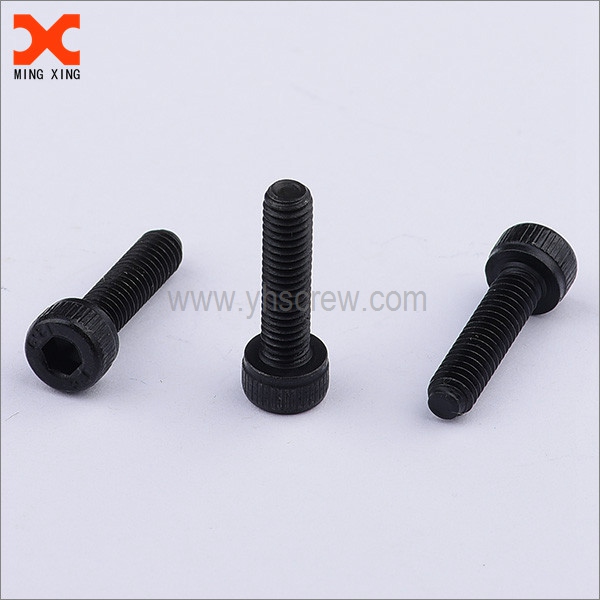
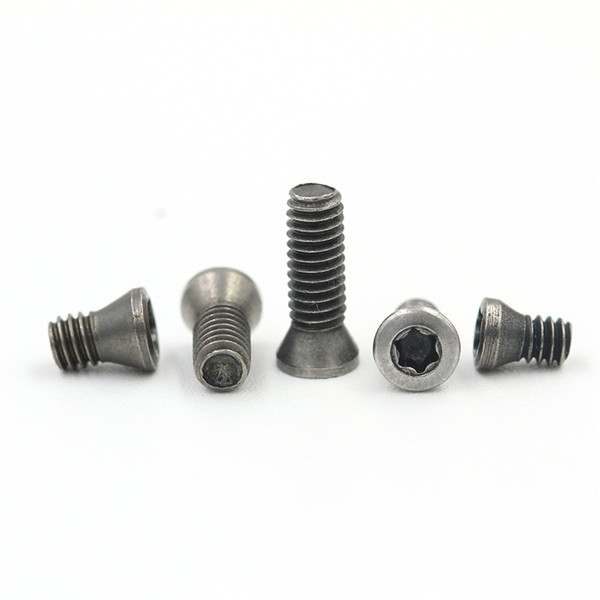
I help engineering teams streamline their assembly lines with a reliable hexagonal socket head screw. As a direct supplier, I offer precise tolerances, durable materials, and consistent torque performance for demanding environments. We customize orders for Custom projects and for Factories seeking stable supply, co-engineering, and flexible packaging options. From stainless steel 304/316 to alloy steel and coatings like black oxide or zinc plating, I provide options to fit your exact specs. I can tailor lengths, thread pitches, and head diameters, plus special coating finishes if needed. Factory-direct pricing, rigorous QA, and on-time delivery keep your line moving. Documentation, inspections, and quality certificates accompany each batch. Whether you need standard inventory or a full Custom program, I work with your purchasing team to ensure compatibility with your rigs and tools. Share your specs, lead times, and volume, and I’ll align everything from quote to delivery.

Hot Selling Product

hexagonal socket head screw Your End-to-End Solution From Concept to Delivery

From concept to delivery, a hexagonal socket head screw solution should fit your engineered requirements and supply chain realities. We begin by clarifying the application, selecting materials (carbon steel, stainless steel 304/316, or alloy options), and aligning with standards such as DIN 912 and ISO tolerances. We define thread, head dimensions, hardness targets, and finishes to balance performance, corrosion resistance, and cost early in the design. Then we move into prototyping, production planning, and rigorous QA. Samples are produced for approval, heat treatment, and surface treatments (zinc plating, black oxide, passivation) are specified, with flatness, true runout, and tensile checks documented. On mass production, we implement supplier qualification, process control, and traceability with lot numbers. Finally, we package and ship with clear labeling and compliant documentation to deliver reliable, on-time procurement for global projects.

{ hexagonal socket head screw Your End-to-End Solution From Concept to Delivery}
Item Size (mm) Material Grade Length_mm Tensile_Strength_MPa Finish Thread_Type Process_Stage Lead_Time_Days QC_Status
1 M5 x 0.80 Stainless Steel A2 A2-70 12 700 Satin Metric Coarse Manufacturing 4 Passed
2 M6 x 1.00 Alloy Steel 8.8 16 800 Zinc Plated Metric Coarse Manufacturing 5 Passed
3 M8 x 1.25 Alloy Steel 10.9 25 900 Black Oxide Metric Coarse Heat Treatment 6 Passed
4 M8 x 25 Stainless Steel A4-80 A4-80 25 860 Polished Metric Coarse Surface Treatment 6 Passed
5 M10 x 1.50 Stainless Steel A4-80 A4-80 40 860 Polished Metric Fine Surface Finishing 7 Passed
6 M10 x 50 Alloy Steel 8.8 50 800 Zinc Plated Metric Coarse Manufacturing 9 Passed
7 M12 x 20 Alloy Steel 12.9 20 1040 Black Oxide Metric Coarse QC 6 Passed
8 M6 x 30 Stainless Steel A2 A2-70 30 700 Satin Metric Coarse Packaging 3 Passed

Related Products

banner (3)

hexagonal socket head screw Sets the Industry Standard Factory-Direct Excellence

Data Dimension: Production Demand Alignment Over 12 Months

This chart illustrates how production volume, market demand, and finished goods inventory interact over a representative 12-month period for a standardized hexagonal socket head screw manufacturing scenario. The Production line (blue) shows factory output, the Demand line (orange) reflects orders from customers, and the Inventory line (green) represents month-end stock on hand. The axis scale uses a common vertical axis to allow direct visual comparison of values, while the horizontal axis marks time from January to December. Several patterns emerge from the three series. First, production generally tracks demand, with brief periods where output leads or lags demand. In the first six months, production increases from 40k to 60k units as demand grows, and inventory remains relatively lean, suggesting efficient throughput and low carrying costs. Mid-year, demand sometimes outpaces production, temporarily reducing inventory and signaling the need to accelerate manufacturing or procure additional input materials. In the final months, production reaches a peak around 75k units while demand stays just under that level, and inventory fluctuates as safety stock is adjusted to buffer potential fluctuations in supply or demand. The juxtaposition of these lines demonstrates the value of synchronized planning between manufacturing, sales, and logistics to minimize stockouts and avoid excess buildup. From a standards perspective, aligning production cadence with demand signals supports an industry-standard approach that emphasizes reliability, speed, and consistency in delivery. Such alignment also helps reduce waste, lowers working capital requirements, and improves cash flow. The chart provides a concise, at-a-glance view for decision-makers to run what-if scenarios, such as increasing capacity for peak months, smoothing shift patterns, or adjusting procurement to meet anticipated demand surges. In sum, this visualization reinforces the principle that disciplined data-driven planning is essential for factory-direct excellence. For stakeholders examining standardization, the plot highlights how good data governance, timely forecasting, and responsive manufacturing are prerequisites for achieving consistent lead times and high service levels.

Top Selling Products