

China Manufacturer of Custom CNC Machined Nozzle
As a dedicated manufacturer based in China, I offer a Custom CNC Machined Nozzle designed for precise fluid and gas control across industries. Our process uses high-grade alloys and hardened polymers, with tight tolerances (±0.05 mm) and smooth surface finishes to prevent corrosion and improve flow. I work with OEMs and distributors who need consistent performance, batch traceability, and customizable geometry—length, thread, inlet/outlet size, and nozzle bore to fit your equipment. The nozzle is machined on advanced CNC centers, ensuring repeatable quality for laser cutters, additive manufacturing, or high-pressure spray systems. I can provide rapid prototyping, small-scale or mass production, and thorough QA documentation. You can rely on us as a China Manufacturer who understands international standards, with on-time delivery and competitive pricing. Let me help you optimize your nozzle flow, reduce maintenance, and boost throughput with a Custom CNC Machined Nozzle tailored to your specs.


Custom CNC Machined Nozzle Winning in 2025 Your End-to-End Solution
Custom CNC Machined Nozzle Winning in 2025 Your End-to-End Solution Custom CNC machined nozzles are a performance gateway for modern manufacturing. Precision machining delivers tight tolerances, repeatable geometries, and smooth finishes that reduce wear and improve fluid dynamics. With a choice of materials—from stainless steels to high-temperature alloys—nozzles can be tailored for corrosion resistance, thermal stability, and specific flow behavior. For global procurement, the advantages are consistent batch quality, scalable volume, and seamless CAD/CAM integration. A well-designed nozzle supports easy cleaning, modular assemblies, and compatibility with downstream equipment, helping you minimize downtime and maximize yield across diverse processes. An end-to-end nozzle solution covers every stage, from initial spec and tolerance analysis to final delivery. Start with clear requirements and manufacturability-focused design. Quick prototyping options can validate fit and performance before committing to production. In production, multi-axis CNC machining, in-process inspection, and suitable post-processing—coating, passivation, or surface finishing—ensure durability. Quality assurance includes metrology checks, flow testing, and traceability. Finally, robust packaging, reliable logistics, and responsive after-sales support keep your global supply chain steady. By choosing a partner that offers end-to-end capabilities, buyers gain risk mitigation, shorter lead times, and a path to continuous improvement in high-demand markets.
| Nozzle ID | Material | Nominal Diameter (mm) | Orifice Diameter (mm) | Thread Size | Tolerance (± mm) | Surface Finish (Ra µm) | Machining Process | Cycle Time (min) | Lead Time (days) | Cp | Cpk | Inspection Method | Monthly Production (units) | Energy per Unit (kWh) |
|---|---|---|---|---|---|---|---|---|---|---|---|---|---|---|
| N-AX-2025-01 | 316L Stainless Steel | 12.0 | 1.0 | M18x1.5 | ±0.02 | 0.4 | CNC Turning + Milling + Deburring | 12.5 | 4 | 1.35 | 1.28 | CMM + Visual | 520 | 0.55 |
| N-AX-2025-02 | Inconel 718 | 8.0 | 0.8 | M14x1.5 | ±0.01 | 0.3 | CNC Milling + Wire EDM | 9.2 | 5 | 1.42 | 1.38 | CMM | 320 | 0.62 |
| N-AX-2025-03 | Al 6061-T6 | 10.0 | 0.6 | M12x1.75 | ±0.015 | 0.8 | CNC Milling | 7.8 | 3 | 1.20 | 1.15 | Optical | 760 | 0.41 |
| N-AX-2025-04 | 16.0 | 1.4 | M22x1.5 | ±0.02 | 0.5 | CNC Turning | 11.3 | 4 | 1.27 | 1.22 | CMM | 430 | 0.58 | |
| N-AX-2025-05 | Titanium Grade 5 | 6.0 | 0.5 | M10x1.5 | ±0.01 | 0.25 | CNC Milling + Turning | 6.4 | 2 | 1.54 | 1.49 | CT + CMM | 210 | 0.65 |
| N-AX-2025-06 | Copper Alloy | 14.0 | 1.2 | M16x1.5 | ±0.02 | 0.6 | CNC Milling | 8.9 | 3 | 1.31 | 1.25 | Visual + DIM | 560 | 0.53 |
| N-AX-2025-07 | Stainless Steel 410 | 9.0 | 0.9 | M14x1.25 | ±0.012 | 0.45 | CNC Turning + Finishing | 9.5 | 3 | 1.28 | 1.22 | CMM | 390 | 0.57 |
| N-AX-2025-08 | S316L | 7.5 | 0.5 | M10x1.25 | ±0.02 | 0.3 | CNC Milling | 5.3 | 2 | 1.39 | 1.34 | Optical | 900 | 0.48 |
Related Products


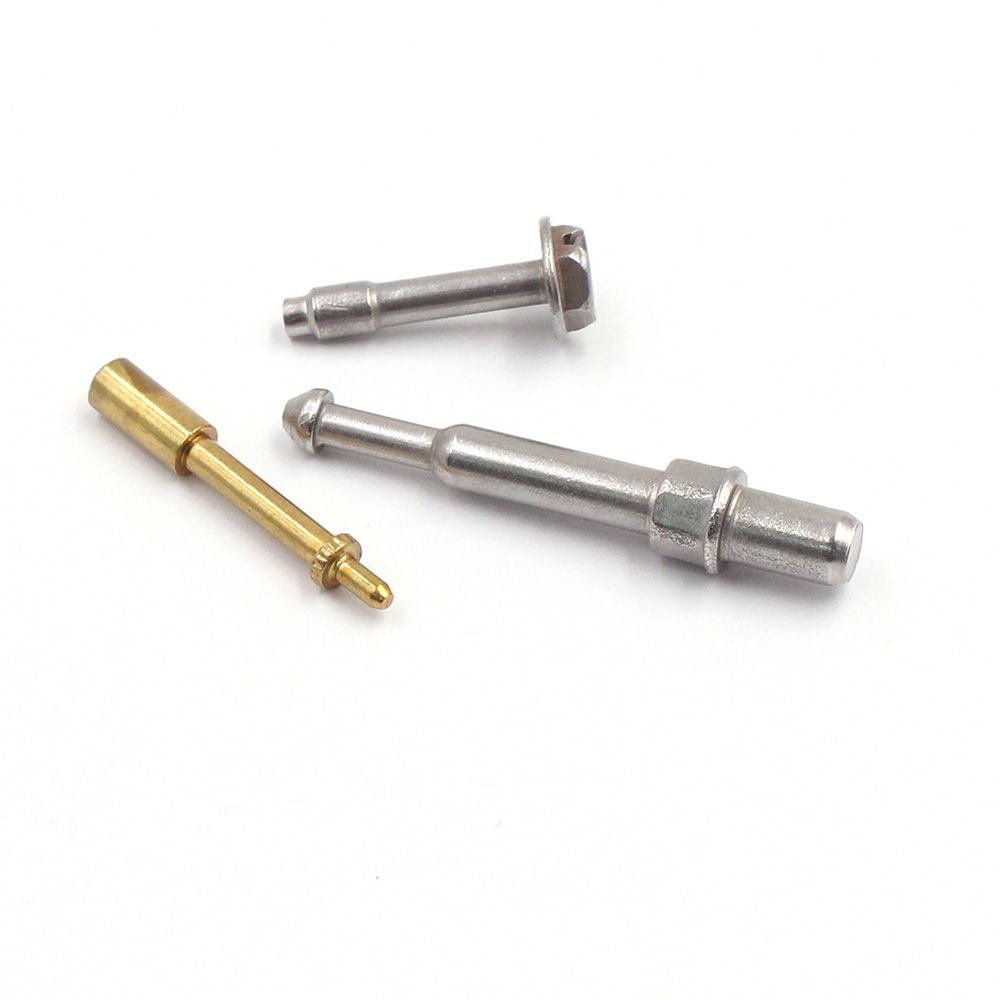
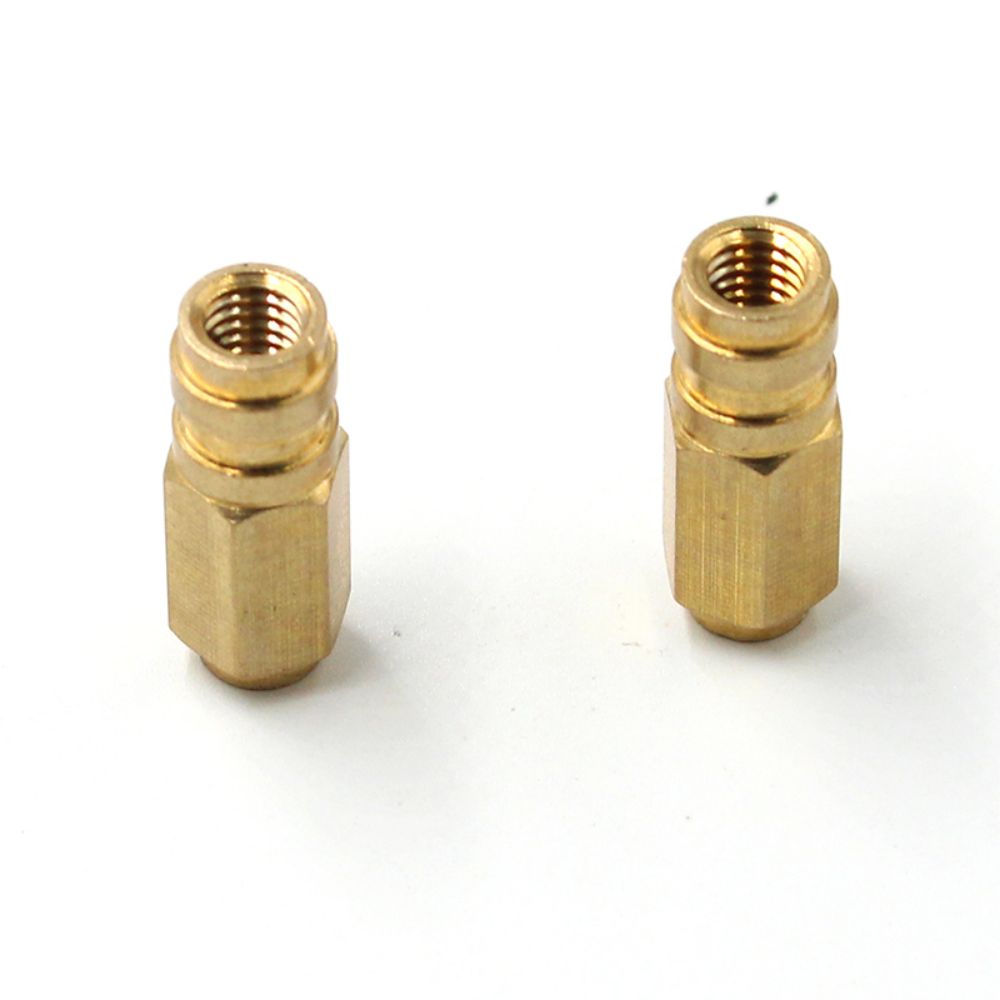
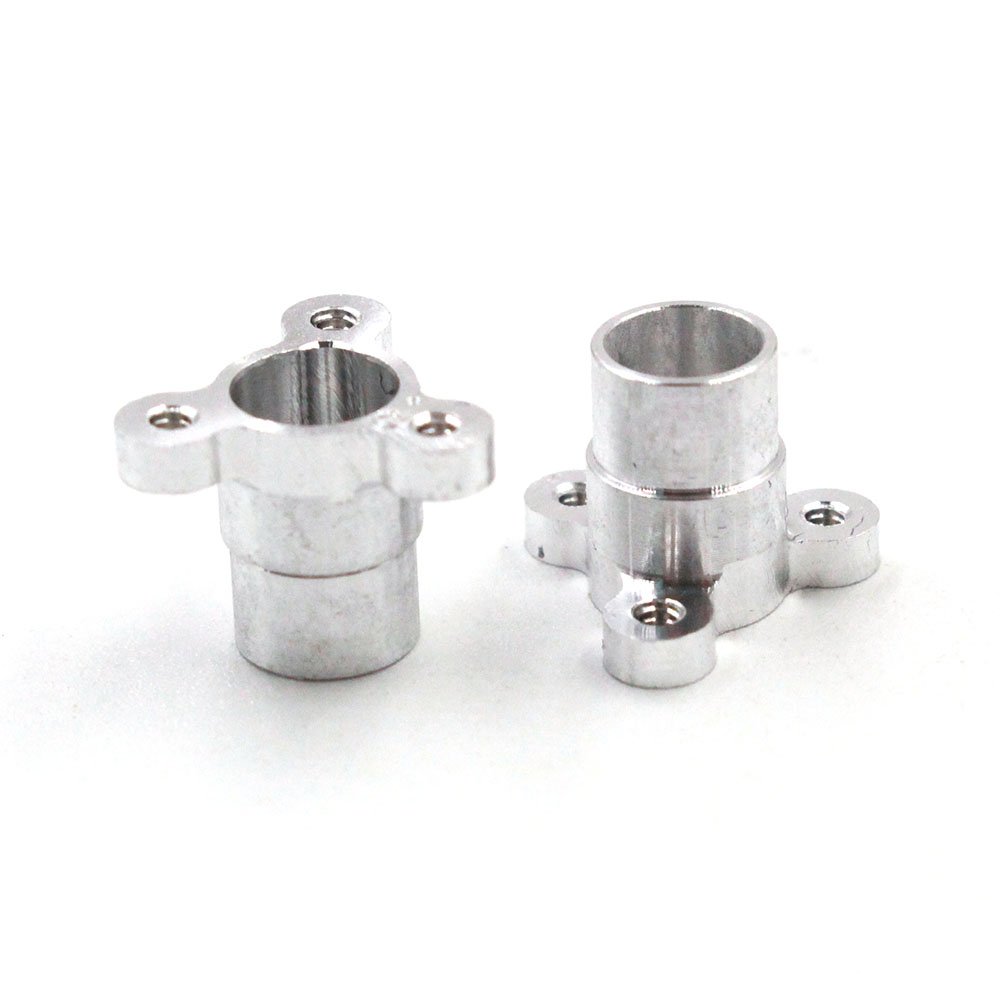


Custom CNC Machined Nozzle Industry Giant Where Innovation Meets 2025
Top Selling Products



- Related Blog
- Reviews
- Reviews

-

Phone
-

E-mail
-

Whatsapp
-

WeChat

-

Top


