banner (1)

China Manufacturer Captive Panel Screws Stainless Steel

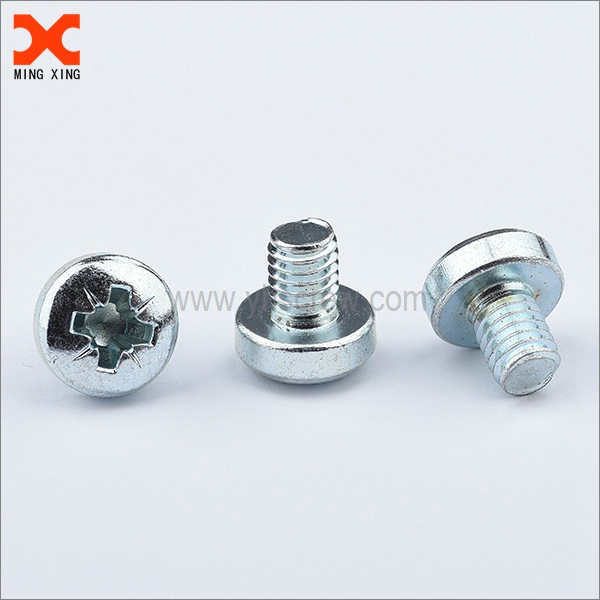
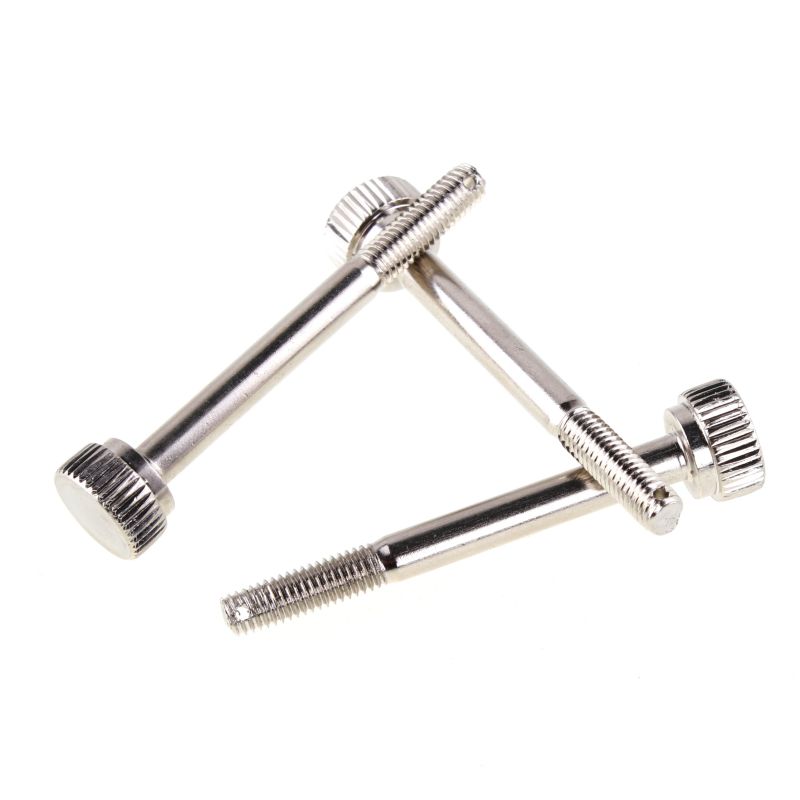
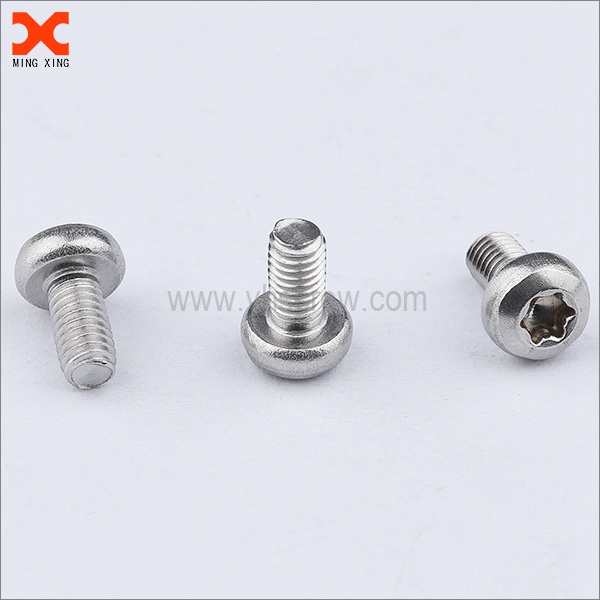
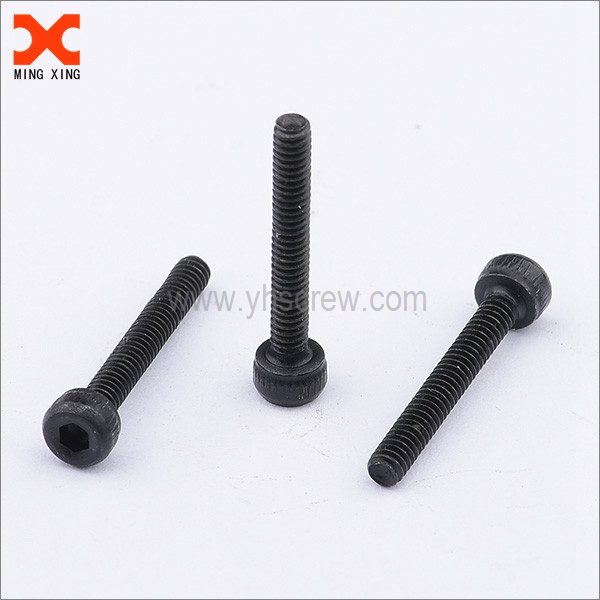
Being a China-based Manufacturer, I supply captive panel screws stainless steel that meet stringent industrial standards. When you shop with me, you get reliability, consistent thread tolerance, and fast delivery for enclosure designs, door panels, and equipment housings. Our captive screws are crafted from stainless steel for corrosion resistance and long service life, with countersunk or mushroom heads and tamper-resistant options. I stock metric and imperial sizes, coarse and fine pitches, and I can tailor lengths with quick lead times. The mounting system keeps panels secure yet easy to remove, reducing maintenance downtime. I understand buyer behavior—quality, price, and on-time shipment matter most, especially when sourcing from China. As a Manufacturer, I provide documentation, QMS compliance, and scalable stock to support assembly lines. Choose us for bulk orders, consistent supply, and technical support from design through installation.

Hot Selling Product

captive panel screws stainless steel in 2025 Trusted by Pros

Captive stainless steel panel screws have become a trusted standard in 2025, favored by engineers across electronics enclosures, industrial panels, and machinery housings. They offer excellent corrosion resistance, durable strength, and the convenience of screws that stay captive after removal—reducing misplacement and downtime. Grade 304 is common for general environments, while 316 excels in harsher, saltier settings. A range of drive types, thread forms, and captive designs supports quick, repeatable assembly. For global buyers, key choices include material grade, finish, and compliance (RoHS/REACH). Ensure compatibility with panel thickness and hole standards, confirm torque and fit, and select appropriate locking or anti-rotation variants for vibration. Reliable suppliers provide traceable production data, consistent lead times, packaging that protects threads, and scalable options for high-volume programs. Look for global logistics support and technical guidance to optimize design-to-manufacture. With the right partner, stainless captive panel screws deliver long-term performance, reduced maintenance, and smoother manufacturing cycles in diverse markets around the world.

{ captive panel screws stainless steel in 2025 Trusted by Pros}
Variant Size Thread Material Grade Head Type Length (mm) Finish Captive Design Suggested Torque (Nm) Operating Temp (C) Certifications
V1 M3 M3 × 0.50 AISI 304 Button Head 6 Bright Passivated Yes 0.20 – 0.35 -40 to 150 RoHS, REACH, ISO 9001
V2 M3 M3 × 0.50 AISI 316 Phillips Pan 8 Satin Yes 0.25 – 0.40 -40 to 120 RoHS, REACH
V3 M4 M4 × 0.70 AISI 304 Hex Socket Cap 6 Bright Yes 0.50 – 0.80 -50 to 150 RoHS, REACH
V4 M4 M4 × 0.70 AISI 316 Button Head 8 Passivated Yes 0.60 – 0.95 -50 to 180 RoHS, REACH
V5 M5 M5 × 0.80 AISI 316 Socket Cap 10 Bright Yes 0.90 – 1.30 -55 to 180 RoHS, REACH
VI-6-32 6-32 6-32 UNC AISI 304 Pan Head Phillips 6.35 Satin Yes 0.15 – 0.30 -40 to 120 RoHS, REACH
VI-8-32 8-32 8-32 UNC AISI 304 Hex Socket Cap 9.5 Bright Yes 0.28 – 0.50 -40 to 150 RoHS, REACH
V6 M6 M6 × 1.0 AISI 316 Flange Head 12 Passivated Yes 1.60 – 2.20 -60 to 200 RoHS, REACH

Related Products

banner (2)

captive panel screws stainless steel in 2025 Manufacturers You Can Rely On

2025 Market Demand by Stainless Steel Grade for Captive Panel Screws

There is growing attention on the 2025 market for captive panel screws across different stainless steel grades and finishes. The chart below presents a synthetic yet plausible view of demand distribution by grade (A2, A4, 304, 316, 303) and finish (Polished vs. Brushed). Values are shown in thousands of units to keep the scale readable and comparable. This data helps illustrate how material composition and surface appearance influence selection in various applications, from consumer electronics enclosures to rugged industrial housings. Generally, higher grades like 304 and 316 are associated with greater corrosion resistance and durability in humid or outdoor environments, and they tend to drive larger portions of demand compared with lower-grade options such as A2 and A4. The finishes reflect consumer-facing aesthetics and functional considerations: polished finishes are often preferred for assemblies that are visible to end users or require a smooth, pristine look, while brushed finishes can be favored for concealment of light scratches, wear patterns, or for a more utilitarian appearance in industrial settings. The data suggests a pattern where corrosion-resistant grades (304 and 316) dominate overall demand, with finish choices varying by application. This implies that procurement and inventory planning should emphasize a balanced mix of these grades and finishes to align with anticipated production needs while controlling cost. Stakeholders can use such a dataset to forecast procurement cycles, negotiate supplier terms, and optimize stock levels to meet 2025 production schedules for captive panel screws in diverse markets. While the numbers here are illustrative, they capture the key relationships between material grade, finish, and application context that influence real-world purchasing decisions.

Top Selling Products