banner (1)

Brass Machine Screws - Exporter Purchasing Guide

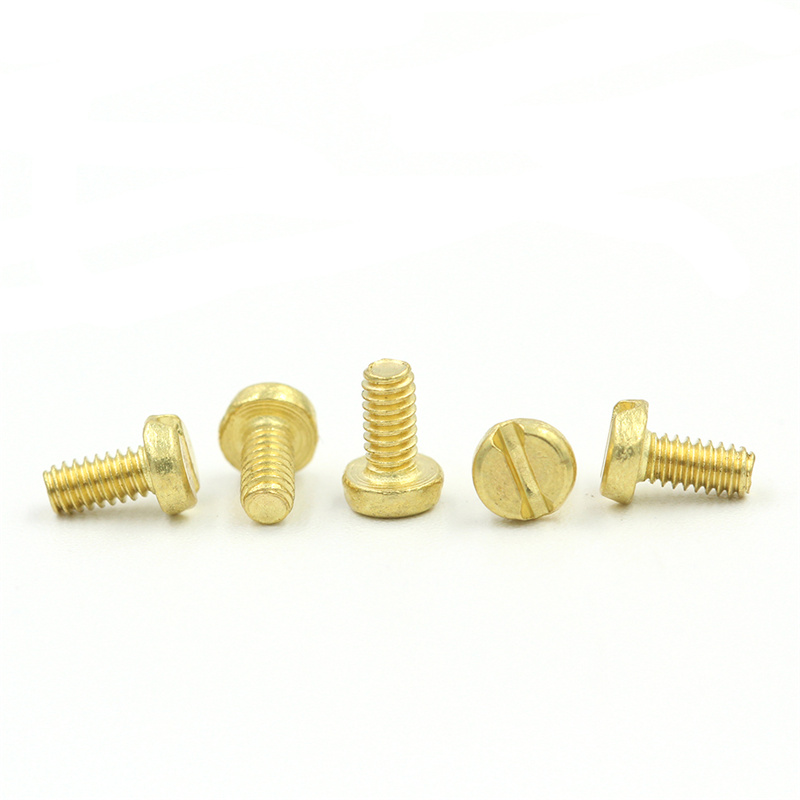
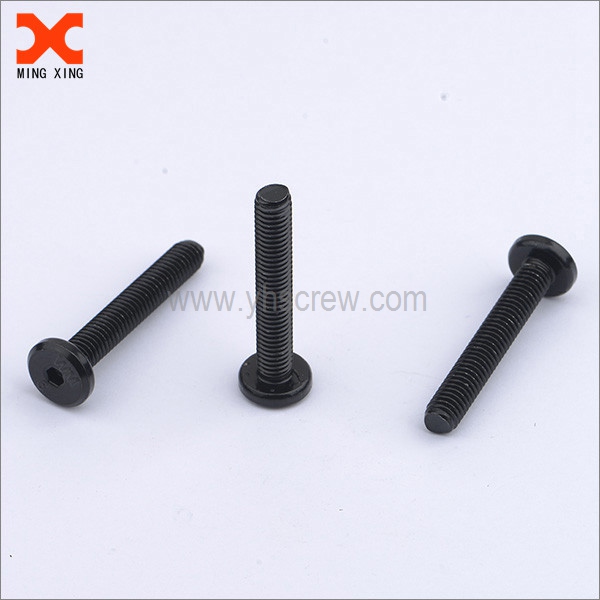
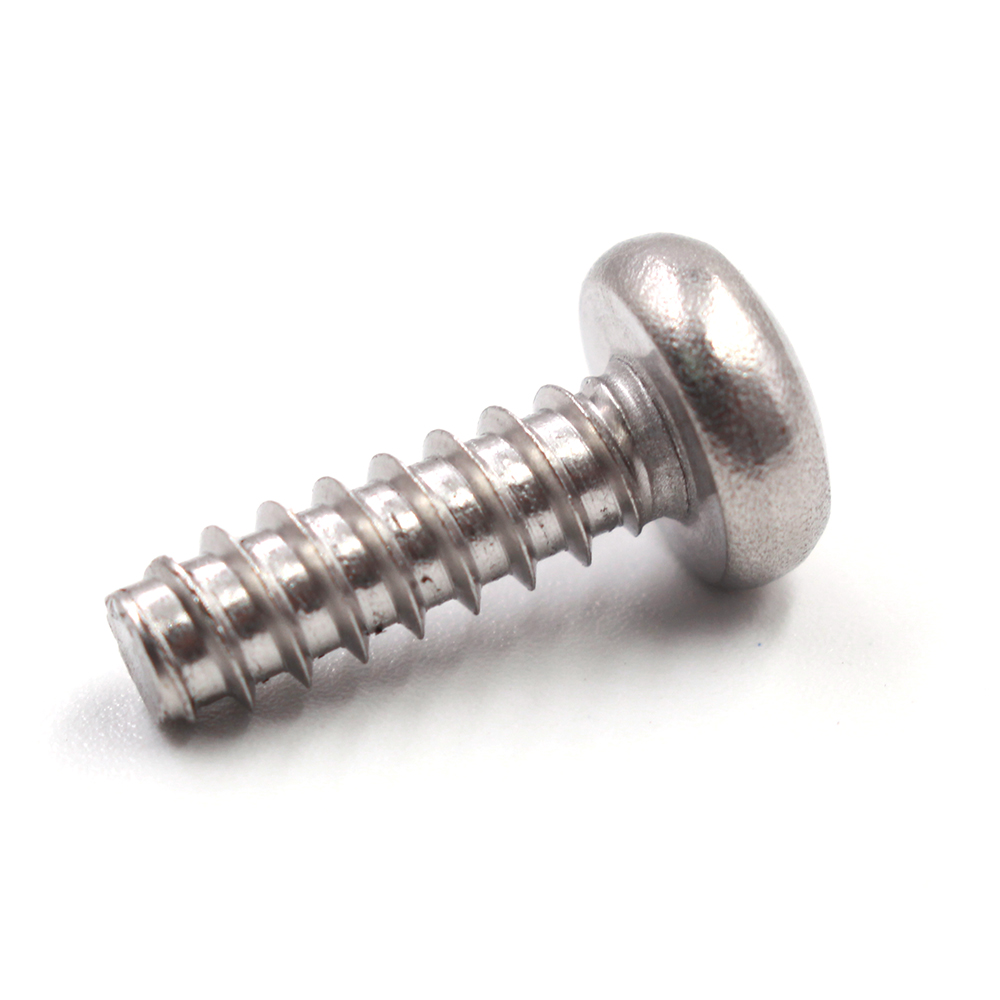
We supply top-grade Brass Machine Screws for precision assemblies across electronics, automotive, and consumer hardware. As a dedicated exporter, we understand the demands of B2B buyers and we tailor every shipment for speed, accuracy, and value. If you need to Buy durable fasteners in bulk, you’ll find our Brass Machine Screws meet your performance and price targets. They’re fabricated from high-quality brass (C36000 range) with clean threads, excellent machinability, and natural corrosion resistance, ideal for soft metals and fragile assemblies. Available in common metric and imperial sizes, heads (flat, pan, and button), and various finishes. We offer tight tolerances, customized packaging, and reliable lead times to fit your production schedules. Our team provides certification and documentation to smooth your procurement process. Partner with us for stable supply, transparent pricing, and the confidence that comes from a reputable Exporter. Let’s connect today and plan your next bulk order.

Hot Selling Product

Brass Machine Screws Application Your Trusted OEM Partner

Brass machine screws offer a strong, corrosion-resistant, and highly machinable option for precision assemblies. They suit electronics enclosures, lighting fixtures, furniture fittings, automotive interiors, HVAC, and marine hardware. Brass provides good electrical conductivity and non-sparking properties, while its thread engagement reduces galling. With different head styles and finishes, brass screws secure components and enhance appearance. As a global OEM partner, we deliver consistent quality and flexible logistics to support your supply chain. Custom metallurgy, thread profiles, coatings, and packaging with traceability and tight tolerances ensure repeatable results from prototype to mass production. Timely lead times and compliant documentation help you mitigate risk and accelerate time to market. A capable brass fastener partner is a scalable manufacturing solution.

Brass Machine Screws Application Your Trusted OEM Partner
Screw Size Length (mm) Material Finish Head Type Drive Type Thread Type Applications/Industry Standards Tensile Strength (MPa) Machinability Notes
M3 x 0.5 12 Brass CW617N Natural Brass Pan Head Slotted Fine Electronics enclosures DIN 7985, ISO 898-1, RoHS 210 Excellent Suitable for compact assemblies in consumer electronics
M4 x 0.7 16 Brass CW617N Nickel-Plated Brass Pan Head Phillips Coarse Home appliances DIN 7985, ISO 898-1, RoHS 205 Very Good Good corrosion resistance with nickel coat
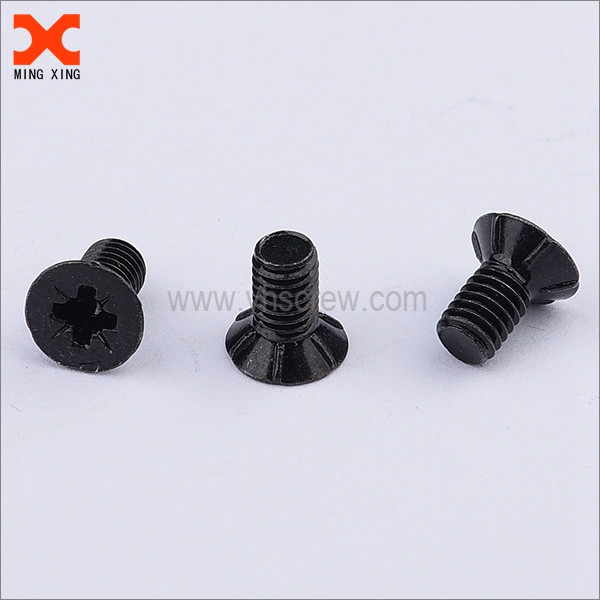
M5 x 0.8 20 Brass CW617N Natural Brass Flat Head Hex Socket Coarse Furniture, Fixtures DIN 7985, ISO 898-1 190 Good Countersunk for flush mount
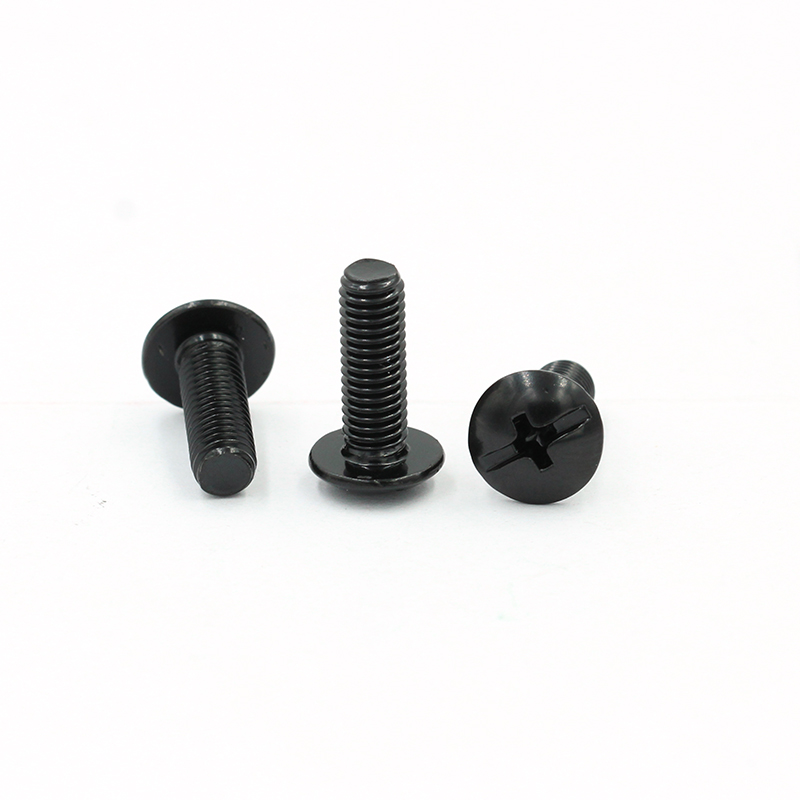
M6 x 1.0 25 Brass CW617N Natural Brass Pan Head Phillips Coarse Electrical enclosures DIN 7985, ISO 898-1, RoHS 180 Good General-use fastener
M6 x 1.0 30 Brass CW617N Nickel-Plated Brass Button Head Hex Socket Fine Automotive interiors DIN 7985, ISO 898-1, RoHS 205 Very Good Smooth head for ergonomic fit
M8 x 1.25 40 Brass CW617N Natural Brass Pan Head Hex Socket Coarse Marine equipment DIN 7985, ISO 898-1, RoHS 230 Fair Good for moderate loads in damp environments
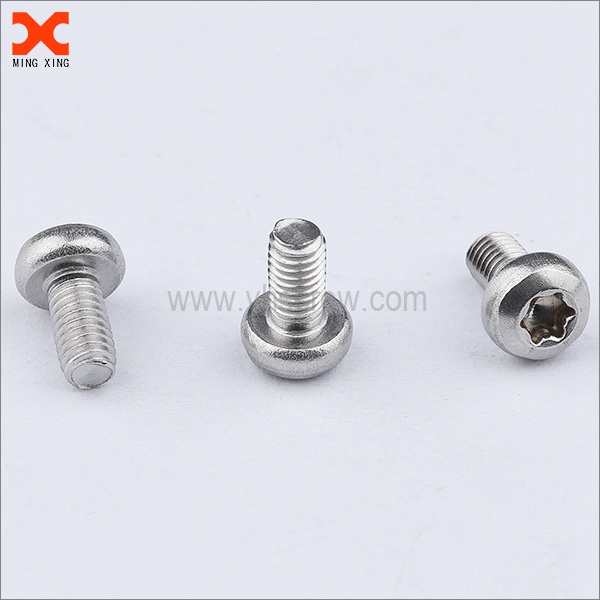
M3 x 0.5 16 Brass CW617N Tin-Plated Brass Button Head Torx Coarse Electrical fixtures RoHS, ISO 898-1 210 Very Good Counterbore friendly
M10 x 1.5 40 Brass CW617N Nickel-Plated Brass Flat Head Slotted Fine Industrial machinery DIN 7985, ISO 898-1, RoHS 210 Fair High loads in machinery housings

Related Products

banner (4)

Brass Machine Screws Market Leader Guarantees Peak Performance

New Data Title: Monthly Throughput and Efficiency Trends

Data Dimension: Time-based Performance Metrics

Explanation: This chart presents the monthly performance metrics for the production line focused on brass machine screws. The primary metric, Throughput, measures the average units produced per day and reflects capacity utilization across the calendar year. The secondary metric, Efficiency, expresses the share of input resources that contribute to completed parts, accounting for waste and rework. Plotting both metrics on dual axes allows analysts to observe how volume and quality performance evolve together or diverge under different operating conditions.

The Throughput line starts at a moderate level in January and generally climbs through the year, with noticeable accelerations in spring and autumn and a slight dip in late autumn. The trend suggests improvements in tooling, scheduling, and run-time optimization. The Efficiency line increases more steadily, rising from the upper-70s to the mid-90s by year end, indicating ongoing gains in yield, reduced defect rates, and better process control. The divergence or convergence of the two lines at different points can indicate where scale-up efforts have outpaced quality stabilization, or where process improvements have delivered quality gains with a corresponding lift in output.

This dual-axis approach is particularly helpful for decision-makers. When throughput rises while efficiency lags, management may need to focus on process capability and training to prevent quality excursions. In months where efficiency advances more quickly than throughput, the organization can capitalize on waste reduction and rework elimination to support sustainable capacity expansion. The data also highlights seasonal effects and potential external influences such as supply chain fluctuations or maintenance cycles. By monitoring these indicators, leaders can set monthly performance targets, prioritize improvement initiatives, and align production scheduling with demand forecasts.

Ultimately, the chart communicates a data-driven narrative of how a market-leading brass fastener producer sustains peak performance. It supports continuous improvement by offering a transparent view of the tradeoffs between output and quality, enabling proactive investment in tools, supervision, and preventive maintenance to maintain competitive edge.

Top Selling Products