Custom Alloy Steel L Type Hex Allen Wrench for Factories
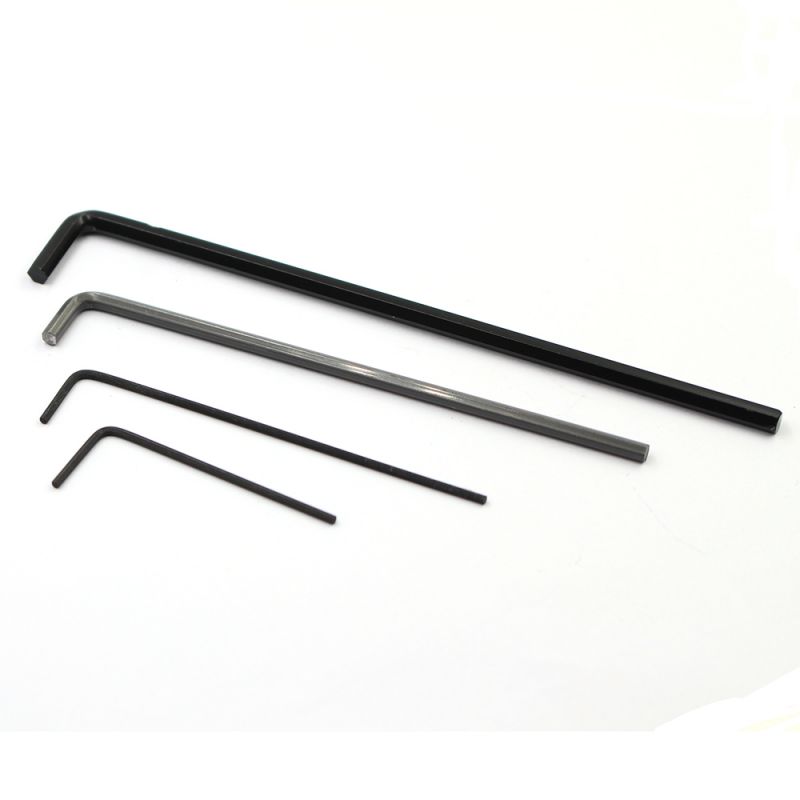
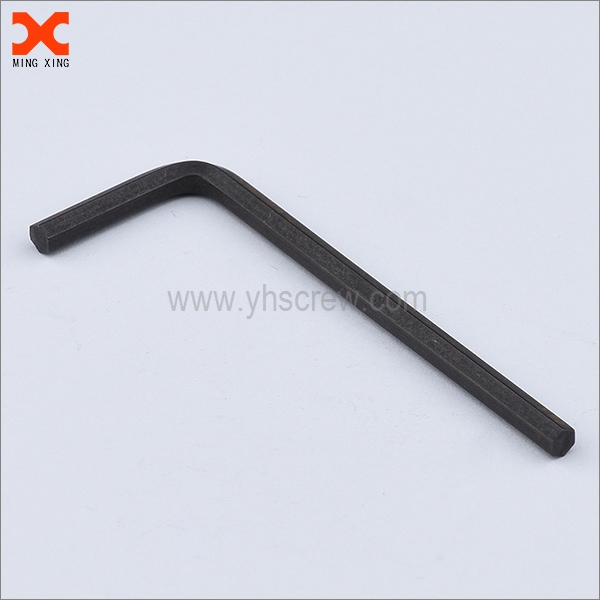
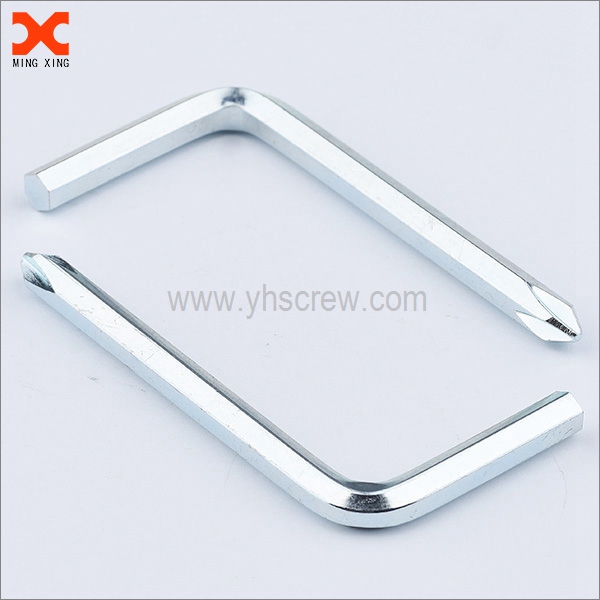
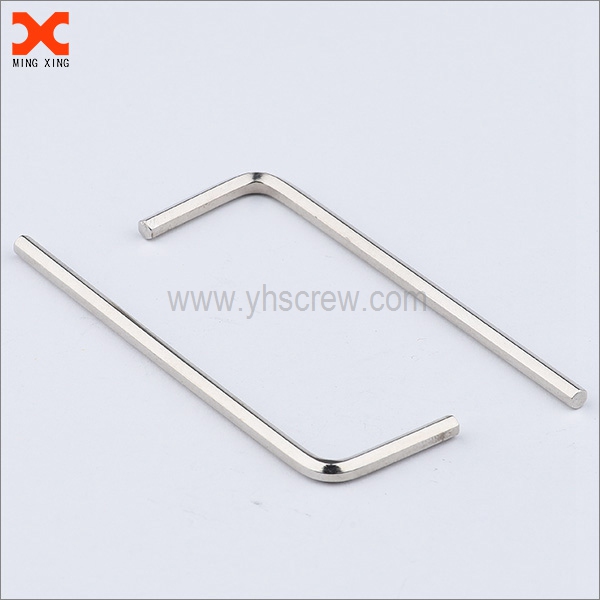
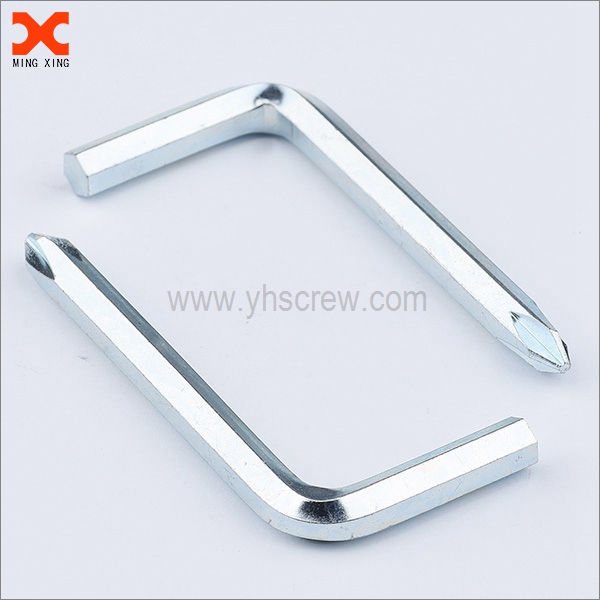
From my workshop I deliver the Alloy Steel L Type Hex Allen Wrench, ready for high-torque assembly lines. I offer Custom options—lengths, head sizes, finishes—to suit the exact needs of Factories. Built from premium alloy steel, heat-treated for hardness, and plated for corrosion resistance, these wrenches resist wear even in busy production. I test every piece with tight tolerances to ensure fit on standard hex sockets. If you run multiple Factories, you know consistency matters—so I provide batch traceability and quick lead times. We focus on durability, grip comfort, and reliable performance under high torque. You can rely on me to supply in various set configurations or single pieces with custom packaging. No fluff, just solid tool for your assembly line, ready for shipment.




Alloy Steel L Type Hex Allen Wrench Trusted by Pros From Concept to Delivery
An alloy steel L-type hex Allen wrench delivers precision torque and long service life for professionals across industries. The L-shaped profile improves leverage in tight spaces, while the alloy steel core, heat-treated to high hardness, resists deformation under repeated use. A protective finish guards against corrosion, making it suitable for assemblies in harsh environments. From prototype to production, these wrenches are designed with standard hex sizes and tight tolerances for consistent fit and reliable performance wherever precision is required. From concept to delivery, the process emphasizes material selection, forging, heat treatment, surface finishing, and rigorous inspection. Each batch is tested for hardness, straightness, and dimensional accuracy, with traceable documentation and packaging that protects against transit damage. Flexible configurations—single pieces or sets, a broad size range, and standards compliance—help global buyers streamline sourcing and shorten lead times while maintaining consistent quality across orders.
{ Alloy Steel L Type Hex Allen Wrench Trusted by Pros From Concept to Delivery}
| Size (Hex) mm | Length (mm) | Material Grade | Finish | Tolerance (mm) | Hardness (HRC) | Standard | Weight (g) | Lead Time (days) | Typical Applications |
|---|---|---|---|---|---|---|---|---|---|
| 1.5 | 40 | AISI 4140 Alloy Steel | Black Oxide | ±0.05 | 50-54 | DIN 911 | 0.4 | 3 | Precision electronics; small fasteners |
| 2.0 | 45 | AISI 4140 Alloy Steel | Matte Satin | ±0.04 | 50-54 | DIN 911 | 0.6 | 3 | General machinery |
| 2.5 | 50 | AISI 4140 Alloy Steel | Black Oxide | ±0.04 | 52-55 | ISO 2936 | 0.8 | 4 | Automotive assembly |
| 3.0 | 55 | AISI 4140 Alloy Steel | Black Oxide | ±0.03 | 53-56 | DIN 911 | 1.0 | 4 | Maintenance and repair |
| 4.0 | 60 | AISI 4140 Alloy Steel | Black Oxide | ±0.03 | 54-58 | DIN 911 | 1.3 | 5 | Industrial equipment |
| 5.0 | 70 | AISI 4140 Alloy Steel | Black Oxide | ±0.02 | 55-59 | ISO 2936 | 2.0 | 5 | Heavy machinery |
| 6.0 | 85 | AISI 4140 Alloy Steel | Black Oxide | ±0.02 | 56-60 | ISO 2936 | 2.4 | 6 | Industrial assembly |
| 8.0 | 100 | AISI 4140 Alloy Steel | Matte Satin | ±0.02 | 57-60 | DIN 911 | 3.6 | 6 | Construction and maintenance |
Related Products


Alloy Steel L Type Hex Allen Wrench Stands Out Your End-to-End Solution
Top Selling Products


- Related Blog
- Reviews
- Reviews

-

Phone
-

E-mail
-

Whatsapp
-

WeChat

-

Top